
Art and Decoration Are Not Opposites
We often hear people distinguish between art and decoration as though one were automatically more valuable than the other. I don't think the difference is that simple. An original painting can transform the appearance of a room. A beautifully designed object can demonstrate considerable creativity, craftsmanship and artistic intention.
The difference is not simply whether something looks attractive or costs more. When I look at original art, I'm interested in the decisions behind the work: the artist's ideas, the materials, the composition and the visual language they have developed.
An artwork can have a decorative function without losing its artistic identity. And there is nothing wrong with choosing a painting partly because you love how it looks in your home. The question is whether the work offers something that continues to interest you beyond its immediate decorative effect.
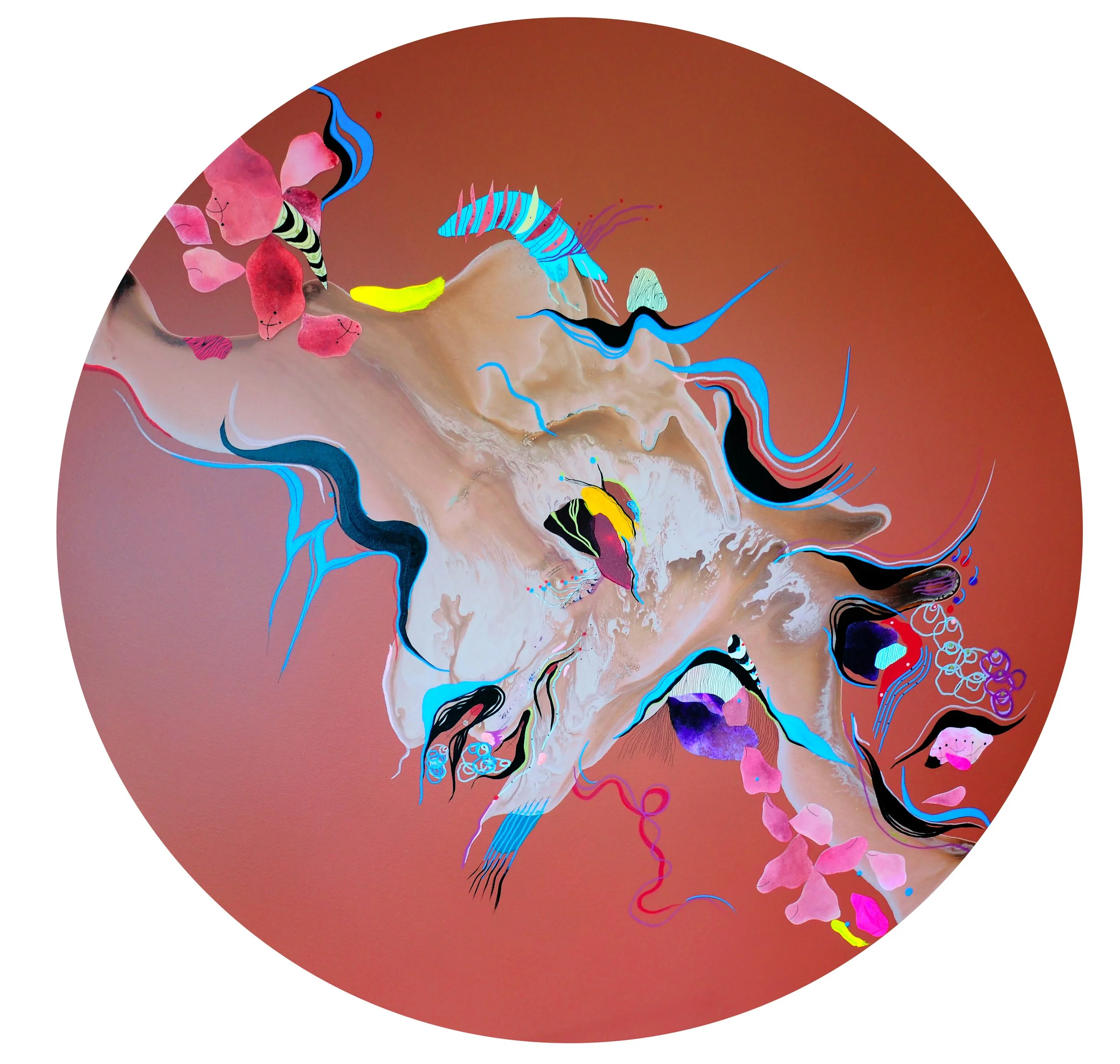
Una Sonrisa Muy Especial by Cynthia Pareja Dubin.
Words such as fine art, decorative art and design can be useful, but they are not a ranking of creativity or quality. Objects made to enhance a room can also involve considerable craftsmanship and artistic intention. Looking at the work itself is more revealing than relying on a label.
Purpose
An artwork can evoke emotion, encourage reflection or introduce an unfamiliar point of view. It can also be beautiful to live with. Those functions do not exclude one another, and an artwork does not have to command a room to have artistic value.
When considering a piece, ask what keeps drawing your attention: its visual language, its materials, an association it brings to mind, or the way your response changes over time.
An emotional response does not need an explanation before it matters. A work may suggest joy, uncertainty, memory or something you cannot immediately name. That response belongs to the person looking; it is not a test that every viewer has to pass in the same way.
Decoration and the Room
Choosing something for its appearance or for the atmosphere it helps create is a valid decision. Design can bring coherence to a home, hotel, restaurant or shared space, and an original artwork can contribute to that coherence too.
Some objects follow a particular design trend; others remain meaningful long after a trend changes. Neither a category nor a price tells us in advance how long something will continue to interest us.
Originality
The decisions behind a work can reveal an artist’s interests, experiences and visual language. Materials, composition and the way a subject is approached can make an artwork distinctive. Following an artist over time can also reveal how that language develops.
A commission is a collaboration whose scope should be discussed with the artist. Size, subject, materials and other choices depend on the particular project; there is no universal rule that makes a client’s wishes trivial or an artist’s decisions interchangeable.
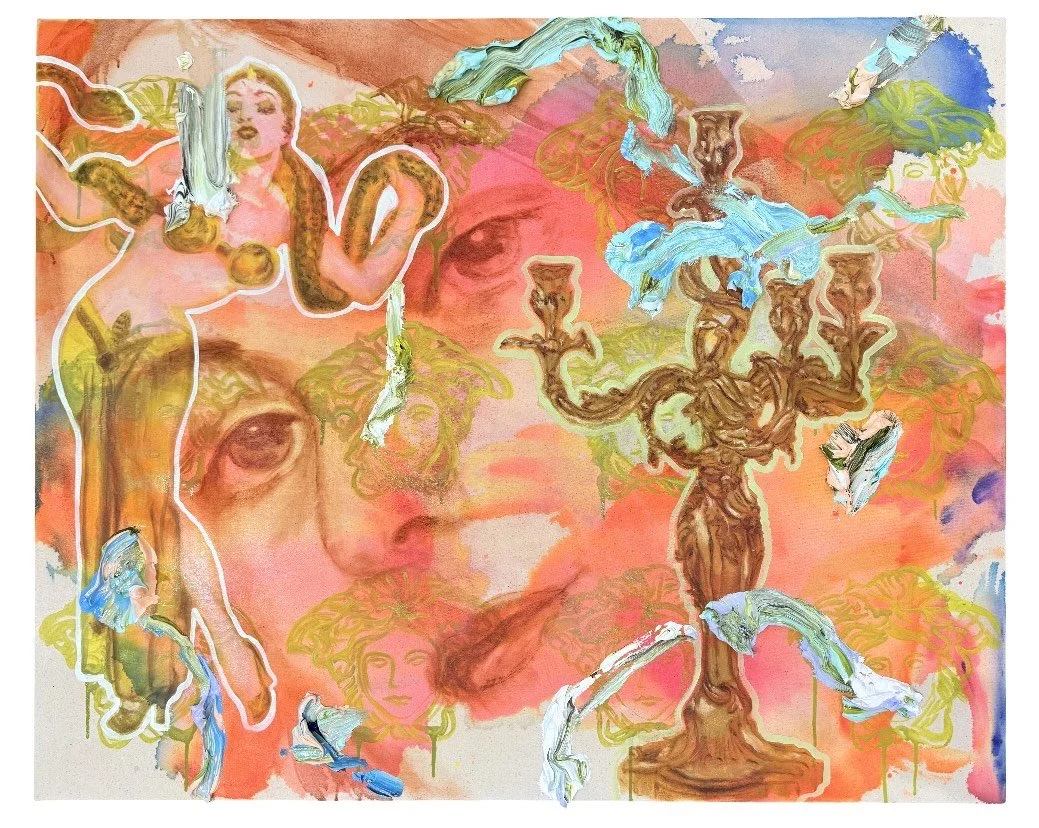
This piece here is done by one of our own non-abstract artists, Marie P. Mudafort. Her unique point of view stems from her Californian roots, aiming to explore American myths and icons. Drawn in by Wild West ideology, she seeks to represent the obsession with fantasy and overindulgence sewn into American culture. How her worldview influences her art is unreplicable.
Original Work and Reproduction
An original work and a reproduction offer different ways of living with an image. Understanding how a piece was made, whether it is unique or part of an edition, and who created it gives you a clearer basis for choosing.
Being reproducible does not automatically make a design uncreative, and being unique does not by itself establish quality. The work and your experience of it deserve a closer look.
Investment
Originality alone does not guarantee that an artwork will increase in financial value. A price or a label should not be treated as a promise about what a work might be worth in the future.
There can be practical differences in the cost, care and replaceability of the objects you choose. Those considerations are worth understanding, but they need not replace the pleasure of living with something you enjoy.
Choosing What You Want to Live With
However, here at J. Nunez gallery, we do not sell investment art. We believe art should not be collected for how much it’s worth or how much it can be worth if you wait long enough. Our philosophy is much simpler: we want you to choose art that you enjoy, that speaks to you, makes you feel something.
We value emotional investment over economic. For us, a good purchase means everytime you look at it you are in just as much awe and admiration as the first time you laid eyes on it. There is no use in buying an expensive fine art masterpiece if it can never see the light, must stay in a temperature-controlled room, and can´t be enjoyed without the fear of something happening to it.
So now that you know the difference between Fine Art and Decorative Art, come pay us a visit at J. Nunez Gallery in Millburn or Summit, New Jersey, for all your fine art needs! Whether you like abstract, non-abstract, or photography, we have it all.
