
How Do We Find the Artists We Represent?
When you walk into J. Nunez Gallery, you see a selection of artists working in different styles, materials and disciplines. Some create abstract paintings. Others work with recognizable subjects, photography, collage or sculpture. What you don't see is everything that happened before those works arrived at the gallery. The hours spent searching. The portfolios reviewed. The artists I found interesting but ultimately decided not to represent. And the occasional discovery that makes me stop what I'm doing because I want to see more.
Finding artists is one of the most important parts of my work as a gallery owner. It is also one of the parts I enjoy most.
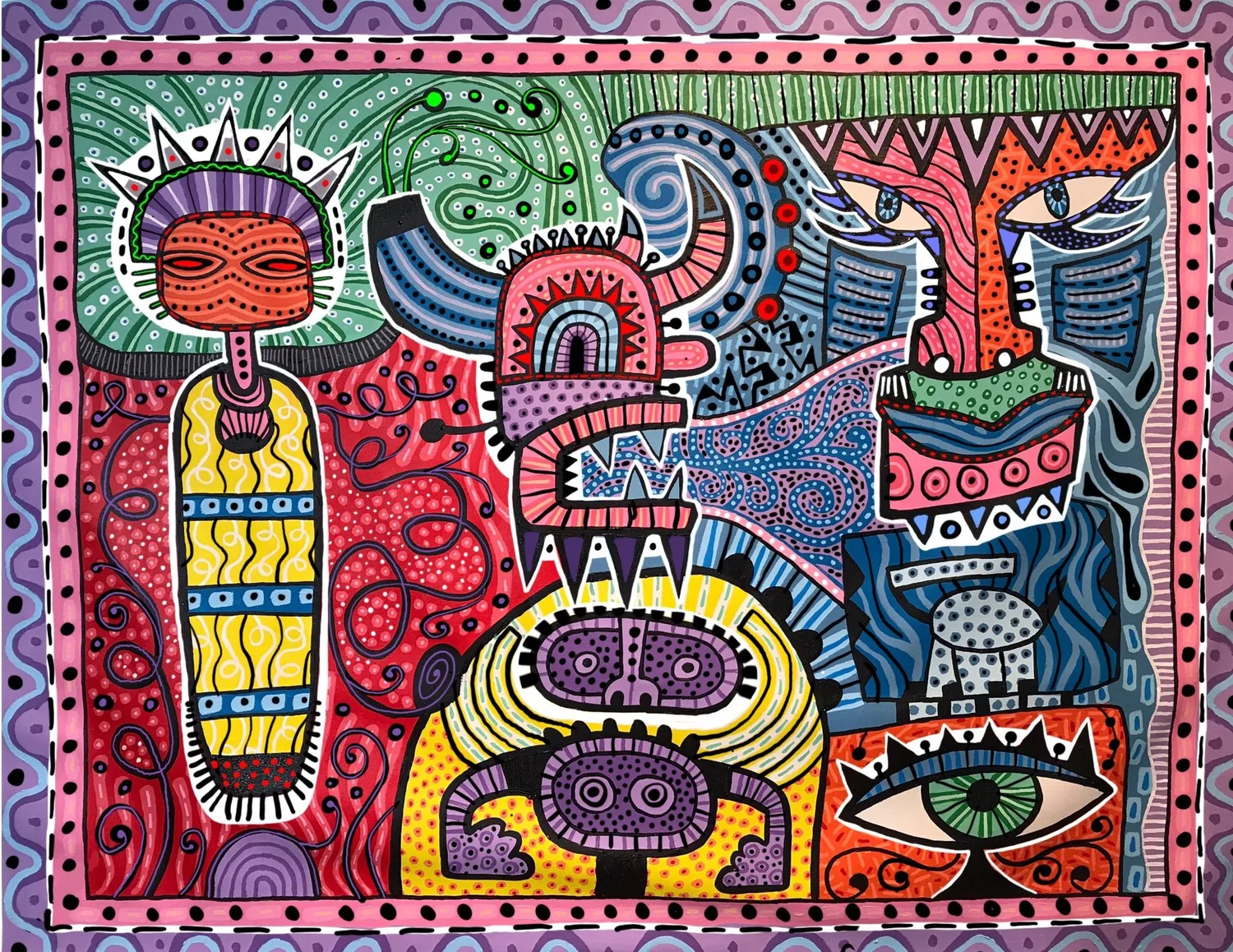
The Search Never Really Stops
I spend a considerable amount of time looking for artists. It is not something I do only when we need new work for the gallery. Discovering artists is an ongoing part of what I do. I look at portfolios, artists' websites, exhibitions and different bodies of work. One discovery can lead to another, and sometimes an artist catches my attention when I wasn't specifically looking for anything.
But finding an interesting image is only the beginning. There is an enormous amount of art available to see, particularly online. You can look at hundreds of paintings in a relatively short time. What takes longer is deciding which ones deserve a closer look. Sometimes I find an artist whose work immediately interests me. Other times, I need to return to their portfolio several times before deciding what I think.
And most of the artists I look at will never become part of the gallery. That is simply the reality of making a selection.
What Makes Me Stop Looking?
The first thing is always the work itself. Before I think about prices, dimensions or whether a painting might fit a particular wall, something about it has to catch my attention. It could be the color, the composition, the technique or the way an artist approaches a familiar subject differently. Sometimes it is difficult to explain immediately. I just know I want to see another piece.
And then another. That is usually when the investigation becomes more interesting. One good painting is not necessarily enough for me to want to represent an artist. I want to see whether there is something behind it that continues throughout their work. Not repetition, but identity. I want to recognize an artist's voice without feeling that every piece is simply a variation of the same idea.
One Great Painting Doesn't Tell the Whole Story
This is probably one of the most important parts of the selection process. I may find a painting that I really like, but when I look through the rest of the portfolio, I don't always feel the same connection. Sometimes an artist has a few exceptional works surrounded by others that feel less developed. Sometimes the most recent work is not as interesting to me as an earlier period.
And sometimes an artist is exploring several directions without yet having developed a clear visual identity. That doesn't mean the artist lacks talent. It means I need to understand the work beyond the first image that caught my attention. I look at different series, how the work has developed and whether there is a consistent level of quality. An artist can change direction, experiment and grow. In fact, I find that interesting.
But I want to feel that the decisions are intentional and that there is something distinctive about the way they work.
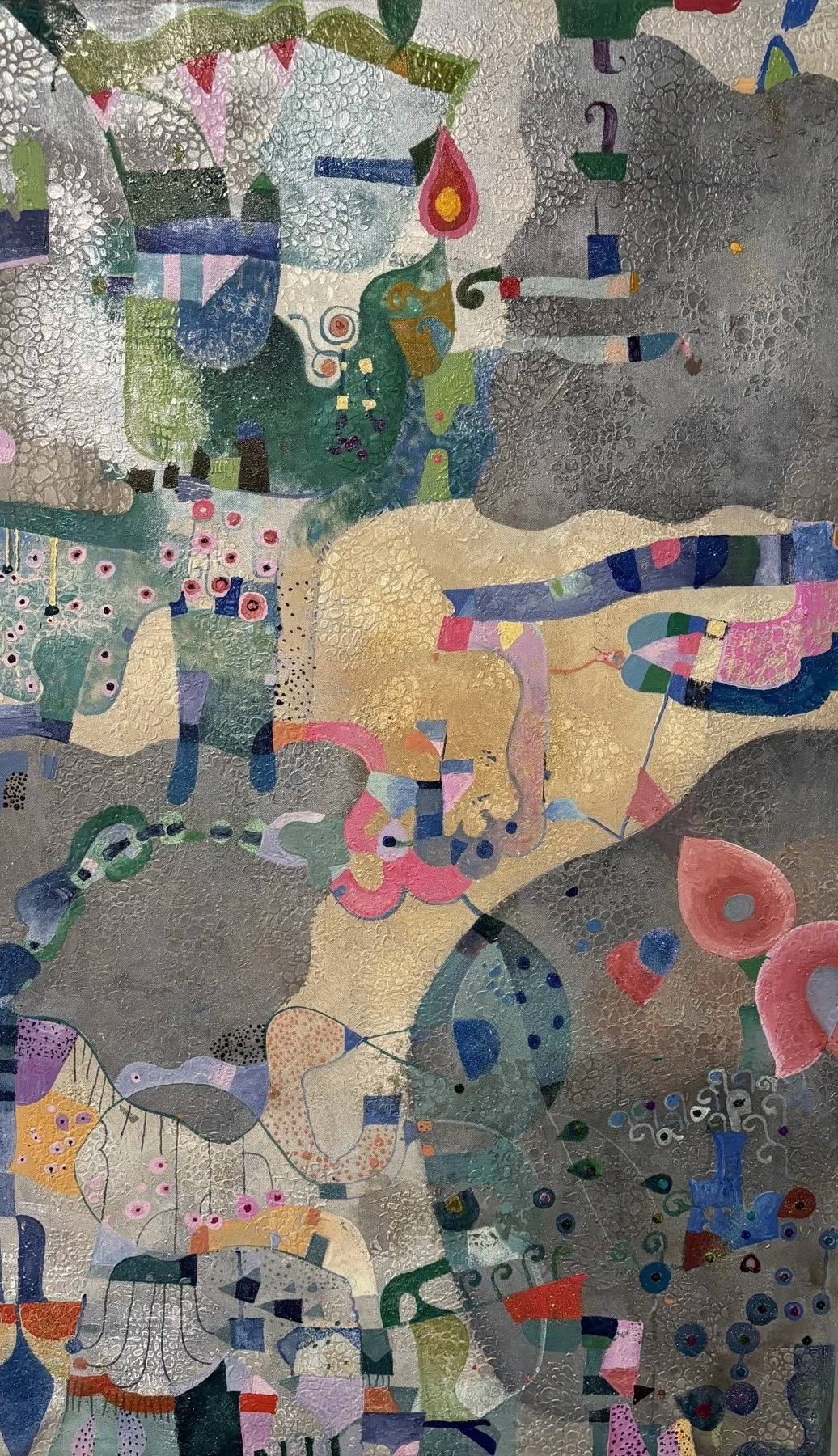
I Don't Want Every Artist to Look the Same
A gallery needs an identity. But that doesn't mean every artist should work in the same style or use the same colors. Quite the opposite. I want visitors to discover different artistic languages when they come into J. Nunez Gallery. Someone who loves abstraction may discover a photograph that surprises them. Someone looking for a representational painting may find themselves interested in a sculpture. That variety is important to me.
But variety alone is not enough. I still need to feel that each artist contributes something worthwhile to the gallery. There has to be a reason for including the work beyond filling a space or adding another name to the roster. I want a selection that feels considered, not accumulated.
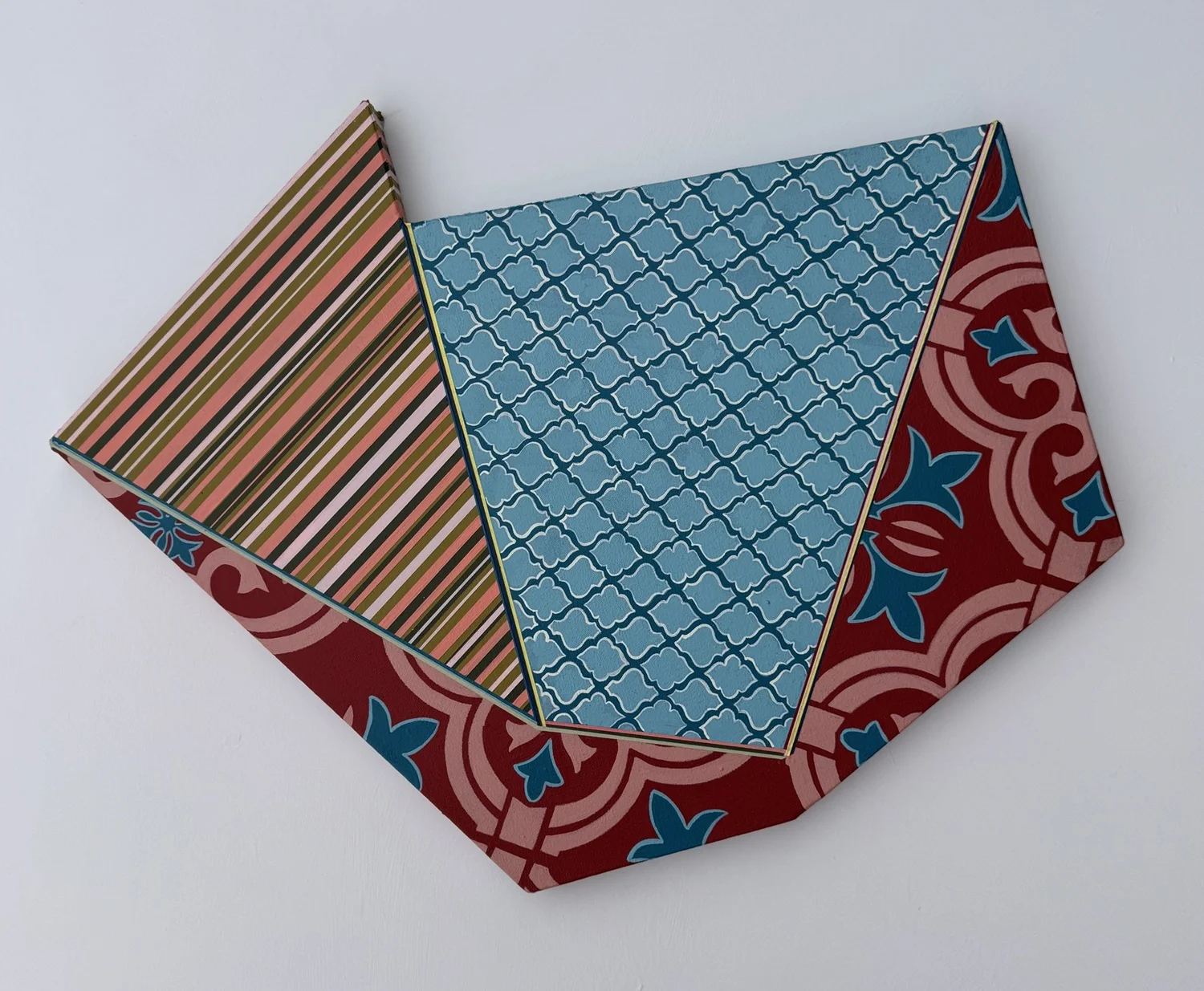
Finding an Artist Is One Thing. Representing Them Is Another.
I can spend hours looking at an artist's work and find several pieces that I genuinely like. But that doesn't necessarily mean I should represent that artist. There is a difference between appreciating someone's work and making a commitment to bring it into the gallery. When I represent an artist, I am making a decision about what I want J. Nunez Gallery to stand for.
I have to believe in the work, understand what makes it different and feel comfortable introducing it to someone who trusts my judgment. I also have to consider the practical side. Does the artist have a strong enough body of work? Are there pieces I would genuinely want to show? Does the work contribute something different to the gallery? Can I see people connecting with it?
And, yes, can we sell it? That last question matters. A gallery cannot support its artists or continue discovering new ones if it doesn't sell art. But I don't want to represent an artist simply because I think their work might sell. I want to represent artists whose work I believe deserves to be seen. The challenge is finding that balance between artistic conviction and the reality of running a gallery.
That is why the selection takes time.
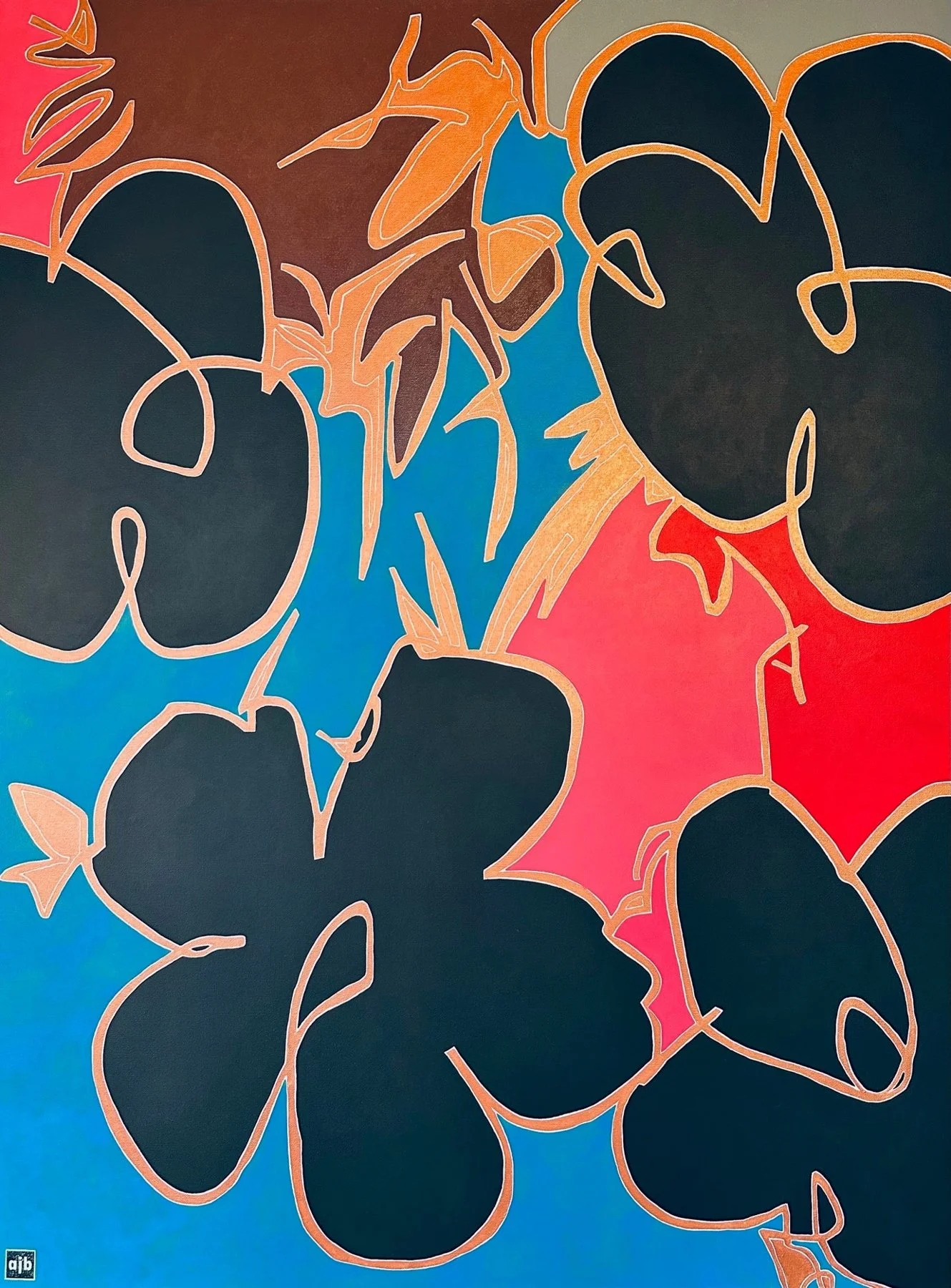
The Artist Behind the Artwork
Once an artist's work has caught my attention, I want to understand more about the person creating it. What are they exploring? How do they work? What materials do they use? How has their practice changed over time? The answers don't need to be complicated or intellectual. Sometimes an artist's process is highly conceptual. Sometimes it begins with an intuitive relationship with color, form or materials.
What matters is understanding the work well enough to present it accurately and have meaningful conversations about it. That understanding is also important when a client asks about a piece. I want to be able to explain more than its dimensions and price. I want to know what makes the work distinctive.
Sometimes the Answer Is No
This is another part of the process that people rarely see. There are artists whose work I respect but don't feel strongly enough about to represent. There are others whose work I enjoy, but I don't think it is right for the gallery at that moment. And sometimes I discover an artist I would genuinely like to work with, but the circumstances don't make a collaboration possible.
Not every interesting discovery becomes a relationship. I think that is important. A gallery's identity is shaped as much by the decisions it doesn't make as by the artists it chooses. Being selective is not about deciding which artists are good and which are bad. It is about deciding which artists I believe in enough to bring into the gallery and introduce to our clients.
From Discovery to the Gallery Wall
When I decide that an artist could be a good fit, the process moves beyond looking at images. There are conversations, practical considerations and decisions about which works would best represent the artist. The selection has to make sense as a group. I want someone walking into the gallery to be able to discover what makes that artist interesting. Sometimes that means presenting several works together. Other times, one strong piece can make an immediate impression.
But the goal is the same. To give the work an opportunity to connect with someone who might not otherwise have discovered it.
Why This Matters to Someone Visiting the Gallery
You don't need to know any of this to enjoy a painting. If you walk into J. Nunez Gallery and find something you love, that reaction is enough. But I think it is interesting to understand that the artists you see here have been selected deliberately. They haven't simply arrived because there was space available. I have spent time looking at their work, understanding what makes it different and deciding that it deserves a place in the gallery.
That doesn't mean you will connect with every artist I represent. You shouldn't have to. Your taste may be completely different from mine. What I hope is that the selection gives you opportunities to discover something you didn't expect. And perhaps find an artist whose work stays with you long after you leave.
A Note From the Gallery
As an artist myself, I understand how personal it is to create something and put it in front of other people. As a gallery owner, I have the responsibility of deciding which artists and works I want to introduce to our clients. I take that responsibility seriously. I spend hours looking at art because I enjoy discovering it. I want to find work that surprises me, interests me and makes me curious to see more.
Not every discovery becomes part of J. Nunez Gallery. But when I find an artist whose work I genuinely believe in, I want to share that discovery. That is what connects the two sides of my work. The artist who creates something. And the gallery that believes it is worth showing to someone else. For me, finding artists is not simply about adding new work to the walls.
It is about finding art I care about enough to put in front of other people.
By Jesús Núñez
Artist and Founder, J. Nunez Gallery