
Why Do Small Art Galleries Matter More Than You Think?
When we hear about the art market, the headlines usually involve extraordinary auction prices, famous artists, international fairs or major galleries opening impressive new spaces. But that is only part of the art world. Away from those headlines, thousands of independent galleries introduce artists to people who might never otherwise discover their work. They operate in downtowns, neighborhoods and smaller communities, often with limited resources and a very personal approach to doing business.
They sell art, of course. That is what allows them to survive. But they also give artists opportunities, bring culture into everyday life and make buying original art a more approachable experience. And today, their role deserves a closer look. Because the art market has changed considerably over the past five years.
Five Years That Changed the Art Market
According to the annual Art Basel and UBS Art Market Reports, global art sales recovered strongly after the pandemic, reaching approximately $65.1 billion in 2021 and $67.8 billion in 2022. Then the direction changed. Sales declined to approximately $65 billion in 2023 and $57.5 billion in 2024, before recovering modestly to $59.6 billion in 2025. The recovery is encouraging, but the market remains below its 2022 peak.
Five Years of Global Art Market Sales
Estimated global art and antiques sales · US$ billions · 2021–2025
| Group | Global sales |
|---|---|
| 2021 | 65.1 |
| 2022 | 67.8 |
| 2023 | 65.0 |
| 2024 | 57.5 |
| 2025 | 59.6 |
Source: Art Basel & UBS, The Art Market, 2022–2026 editions
Global market, not small galleries alone. Values are the estimates originally published in the 2022–2026 annual reports; later editions revise some historical estimates.
These figures represent the broader art market, including galleries, dealers and auction houses. They do not tell us how every independent gallery performed. And that distinction matters. A major auction sale can influence the total value of the market without improving the financial position of a small gallery in New Jersey. The art market is not one business. It is an ecosystem of very different businesses operating at very different scales.
Are Small Galleries Really Disappearing?
We have all seen headlines about galleries closing. Some have been important, established businesses. Others have been smaller spaces unable to continue operating under increasing financial pressure. Every closure matters to the artists, employees and communities connected to that gallery. But the available evidence does not support the idea that galleries everywhere are simply disappearing. Art Basel's 2026 report examined published gallery openings, closures and other structural changes during 2025.
Of those documented changes, 42% were openings and 25% were closures. The remaining 33% involved relocations, expansions, downsizing or other changes. In New York, a review of published activity recorded 36 gallery openings and 25 closures in 2024. In 2025, it recorded 36 openings and 20 closures.
Gallery Openings and Closures in New York
Documented gallery openings and closures · Number · 2024–2025
| Group | Openings | Closures |
|---|---|---|
| 2024 | 36 | 25 |
| 2025 | 36 | 20 |
Source: Art Basel & UBS, The Art Market 2026, Exhibit 2, pp. 127–129. Data: Artwrld.
Published gallery activity, not a complete census. Openings include new galleries and expansions; closures include whole businesses and individual locations.
These figures are not a complete census of every gallery. They do, however, challenge the idea that the industry is experiencing an uninterrupted wave of disappearance. What we are seeing is also a transformation. Some galleries are reducing their physical spaces. Others are sharing premises, collaborating on exhibitions or developing more flexible ways of reaching collectors. The traditional gallery model is changing. And independent galleries are part of that change.
The Real Pressure Is Often Behind the Scenes
A gallery can have beautiful exhibitions, talented artists and an interesting collection while still facing significant financial challenges. Rent, insurance, transportation, framing, staffing, marketing and exhibition costs continue whether or not a painting sells that week. The numbers illustrate the problem. In 2024, 43% of dealers surveyed reported lower profitability than the previous year. In 2025, that figure improved to 38%, but operating costs still increased by an estimated 5% on average, while aggregate dealer sales grew by only 2%.
How Dealer Profitability Changed
Share of surveyed dealers · Change versus preceding year · 2024–2025
| Group | Lower | Higher | Unchanged |
|---|---|---|---|
| 2024 | 43 | 32 | 25 |
| 2025 | 38 | 33 | 29 |
Source: Art Basel & UBS, The Art Market 2025; Art Basel & UBS, The Art Market 2026
Changes in profitability versus the previous year; these are not percentages of businesses operating at a loss.
That gap between sales growth and operating costs is important. It means that an improving market does not automatically translate into a healthier business. A gallery may sell more art and still struggle to maintain its margins. For smaller galleries, where every exhibition, delivery and new client relationship requires time and investment, those pressures can be particularly significant.
The Importance of One New Collector
There is another figure from the 2026 Art Basel and UBS report that deserves attention. In 2025, the smallest dealers, those with annual turnover below $250,000, sold to an average of just 29 unique buyers. That was a 40% decline from the previous year. Across all dealers, the average was 57 buyers. Among businesses with turnover above $10 million, it was 125.
How Many Buyers Does a Gallery Reach?
Average unique buyers per dealer in 2025 · By annual dealer turnover
| Group | Value |
|---|---|
| Below $250,000 | 29 |
| All dealers | 57 |
| Above $10 million | 125 |
Source: Art Basel & UBS, The Art Market 2026, section 2.6.
Survey averages, not the total number of gallery visitors or an estimate for J. Nunez Gallery.
Think about what that means for a small gallery. One new collector is not simply another name on a mailing list. That person may discover an artist, purchase an original work, return to see a new exhibition or introduce someone else to the gallery. Relationships can develop over years. For an independent gallery, those relationships are often central to the business. The report also found that 60% of buyers purchasing from the smallest dealers in 2025 were new to those businesses.
That tells us something encouraging. Even in a challenging market, people are still discovering smaller galleries. The opportunity is there. Reaching those people, and giving them a reason to return, is the challenge.
Small Galleries Give Artists Something Money Alone Cannot Buy
For an artist, creating the work is only part of the process. Someone also needs to discover it. An independent gallery can provide an opportunity to be seen, to have work presented professionally and to connect with people who respond to it. That involves much more than finding an empty wall. It means understanding an artist's work, selecting pieces, photographing them, explaining them accurately and introducing them to potential buyers.
It also means taking a commercial risk. A gallery may devote space, time and resources to an artist without knowing whether the exhibition will result in sales. This is especially important for emerging artists and artists whose work does not fit easily into established commercial categories. The diversity of the art world depends partly on having different kinds of galleries willing to represent different kinds of artists.
There is also an important gender dimension. According to the 2026 Art Basel and UBS report, women represented 55% of artists at dealers with annual turnover below $250,000, compared with 35% at galleries turning over more than $10 million.
Women Artists and Gallery Size
Women as a share of artists represented · 2025 · By annual dealer turnover
| Group | Value |
|---|---|
| Below $250,000 | 55 |
| Above $10 million | 35 |
Source: Art Basel & UBS, The Art Market 2026, figure 2.21.
Share of represented artists within each surveyed dealer segment; not a comparison of absolute numbers of women artists.
Those figures do not mean every small gallery prioritizes women artists. But they demonstrate that the smaller end of the market plays a significant role in artist representation. If we want a diverse art world, we need different opportunities for artists to reach audiences. And that includes independent galleries.
A Small Gallery Can Make a Downtown More Interesting
Think about what makes a town worth visiting. It is rarely just the number of stores. It is the combination of restaurants, independent businesses, cultural spaces and places where something unexpected might happen. An art gallery adds a different kind of experience. You can walk inside without knowing anything about the artists. You may discover a painting that catches your attention, see a sculpture unlike anything you have encountered before or start a conversation about a subject you had never considered.
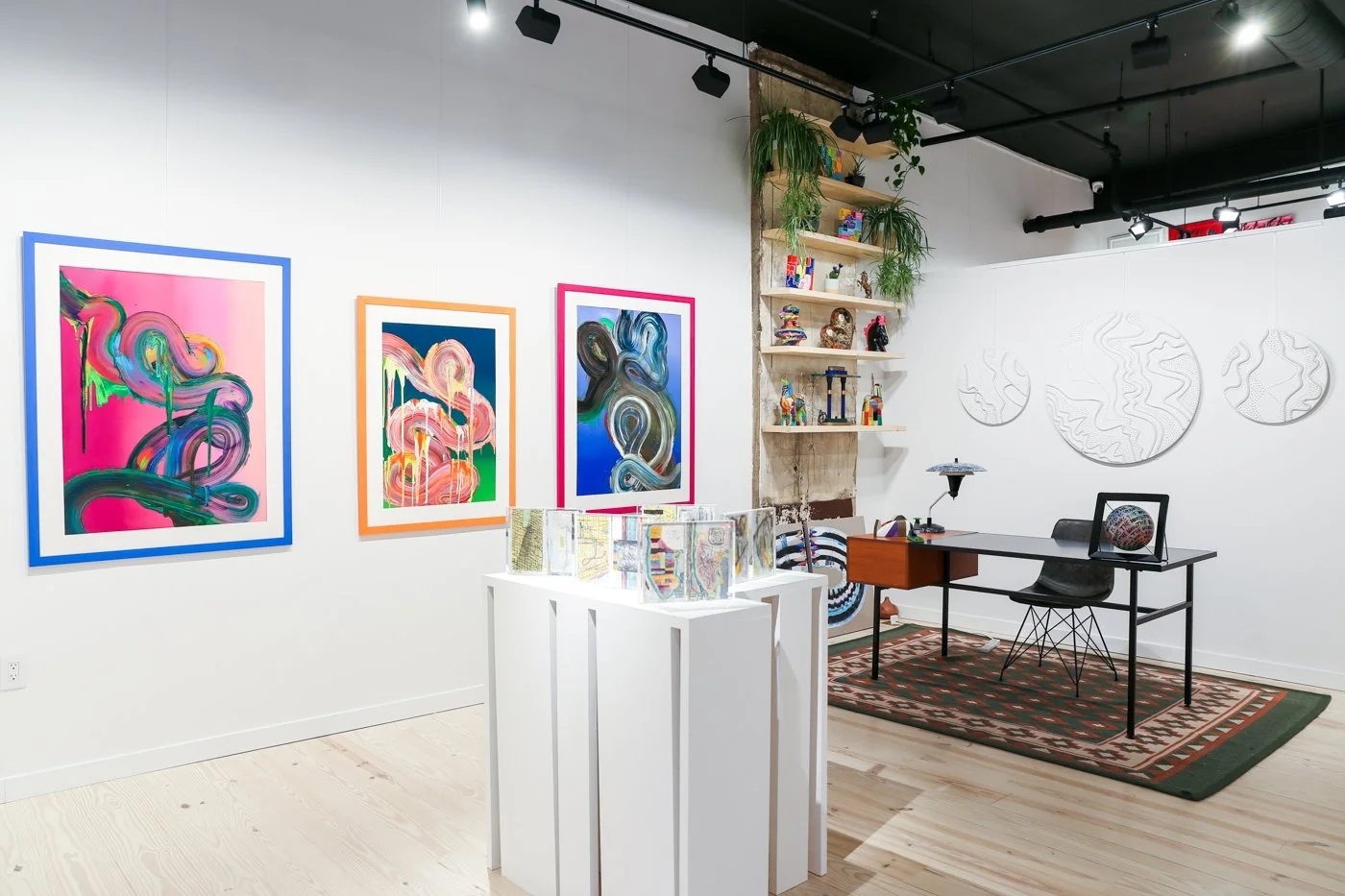
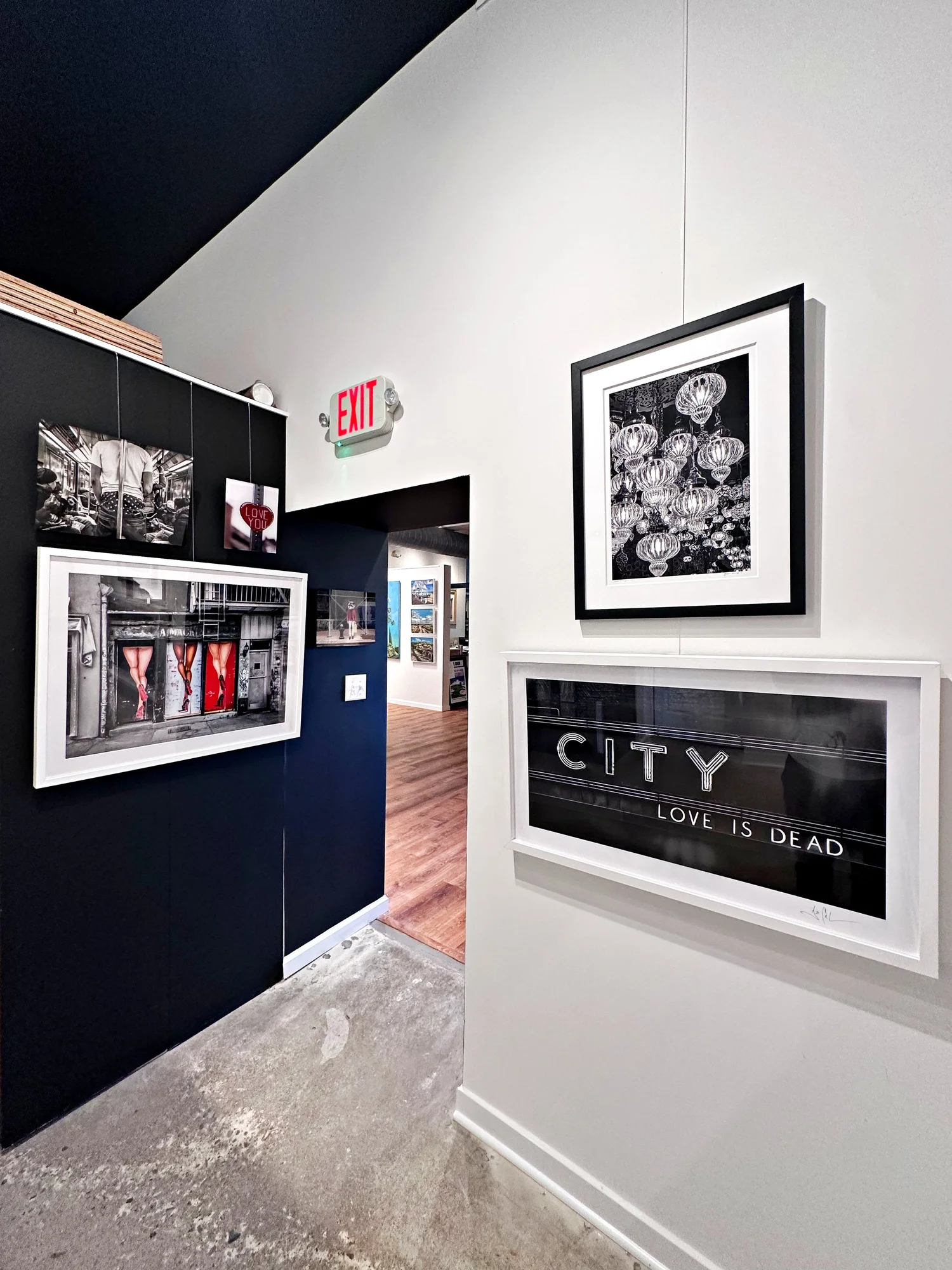
Not every visitor will buy something. But the gallery still contributes to the cultural life of the community. In Millburn and Summit, J. Nunez Gallery operates two spaces with different artistic focuses. One emphasizes abstract and contemporary art; the other brings together representational art and fine art photography. They offer different opportunities for people to discover original work.
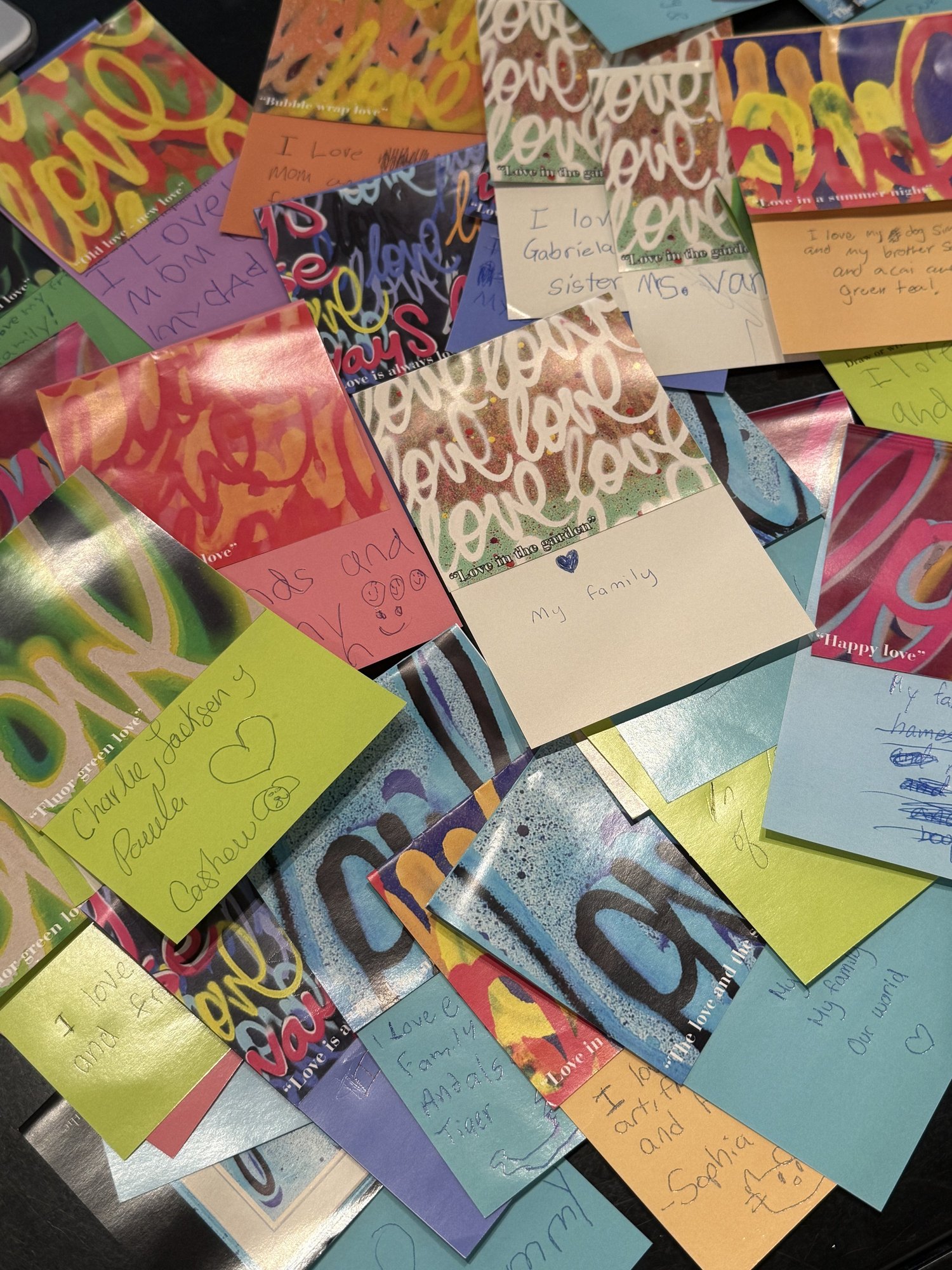
A gallery can also contribute beyond its own walls. Through Love Always, J. Nunez Gallery has developed community projects, including an interactive installation at Millburn Free Library in August 2026. Visitors were invited to respond to a question about love through artwork cards, creating a shared display shaped by their contributions. That is one example of how art can become part of everyday community life, even outside a traditional exhibition space.
These activities do not replace the commercial purpose of a gallery. They extend the ways people can encounter art and discover the artists and ideas behind it.
What a Small Gallery Offers That a Website Cannot Always Replace
Today, anyone can browse thousands of artworks online. That accessibility is valuable. But looking at a photograph on a screen is not the same as standing in front of an original painting. Scale, texture, color and physical presence can be difficult to understand from a digital image. There is also the human element. When someone visits a smaller gallery, the conversation can be much more direct.
What attracts them to a particular work? Where are they thinking of placing it? Are they looking for something familiar or something that challenges their taste? Sometimes a visitor discovers that the work they thought they wanted is not the one they ultimately love. A good gallery should help people make those discoveries without making them feel that they need an education in art history before walking through the door.
That personal relationship is one of the things independent galleries can offer. And it is difficult to reproduce through an online catalog alone.
Supporting a Gallery Is Not About Charity
I think this distinction is important. Supporting an independent gallery should not mean buying something because you feel sorry for the business. Art is a personal purchase. You should choose a work because it interests you, because you enjoy looking at it and because you want to live with it. But when you find that work at a small gallery, your purchase has a wider effect.
It supports the artist who created it. It supports the business that invested in presenting it. And it helps make future exhibitions, new artist relationships and cultural activities possible. You can also support galleries by visiting, recommending them, attending exhibitions and introducing other people to artists whose work you enjoy. Not every visit needs to end with a sale. But if we value having independent galleries in our communities, they also need customers who choose to buy original art.
Why Supporting Small Galleries Matters More Than Ever
The art market is changing. The latest figures show some recovery, but also continued financial pressure, fewer buyers for the smallest dealers and the need for galleries to adapt. At the same time, smaller galleries remain an important entry point for artists and collectors. They make room for different artistic voices. They give people opportunities to discover original work without entering the world of major auctions or expensive international art fairs.
And they bring art into towns and neighborhoods where it can become part of everyday life. Supporting these galleries is not about preserving every business exactly as it exists today. It is about preserving the opportunity for independent voices to participate in the art world tomorrow. Because a healthy art market needs more than successful auctions and famous names. It needs places where new relationships with art can begin.
A Note From the Gallery
I have experienced the art world from both sides, as an artist and as a gallery owner. I know what it means to create something and hope that someone else will connect with it. And I know what it takes to operate a gallery, represent artists and introduce their work to people who may be discovering original art for the first time.
Running a small gallery is a business. We need to sell art. Without sales, we cannot continue doing what we do. But what interests me is everything that happens around that sale. The conversations. The discoveries. The artist who finds a new collector. The person who walks in thinking they know what they like and leaves interested in something completely different. Those experiences are part of what makes a gallery worthwhile.
I do not believe people should buy art out of obligation. I believe they should buy art because they love it. But I also believe it matters where they choose to discover it. When you support an independent gallery, you are helping create the possibility for another artist to be seen, another exhibition to happen and another person to discover something they might never have encountered otherwise.
And at a time when the art market is changing so quickly, that opportunity is worth protecting. Supporting a small gallery is not about saving a business out of sympathy. It is about choosing the kind of art world we want to exist tomorrow.
By Jesús Núñez
Artist and Founder, J. Nunez Gallery