
What If the Best Wall in Your House Isn’t in the Living Room?
The living room gets all the glory. It has the sofa you spent weeks choosing, the lamp you overthought, and probably at least one coffee-table book that nobody has actually opened. When people start thinking about art, it is usually the first room that comes to mind.
Some of the most memorable homes, however, reveal their personality gradually. You notice a painting by the front door, a photograph halfway up the stairs, or something above the breakfast table that makes you linger over your coffee. Even the powder room can become a place where guests suddenly turn into art critics. The wall worth considering may be the one you have almost stopped noticing.
The Entryway Has Been Waiting
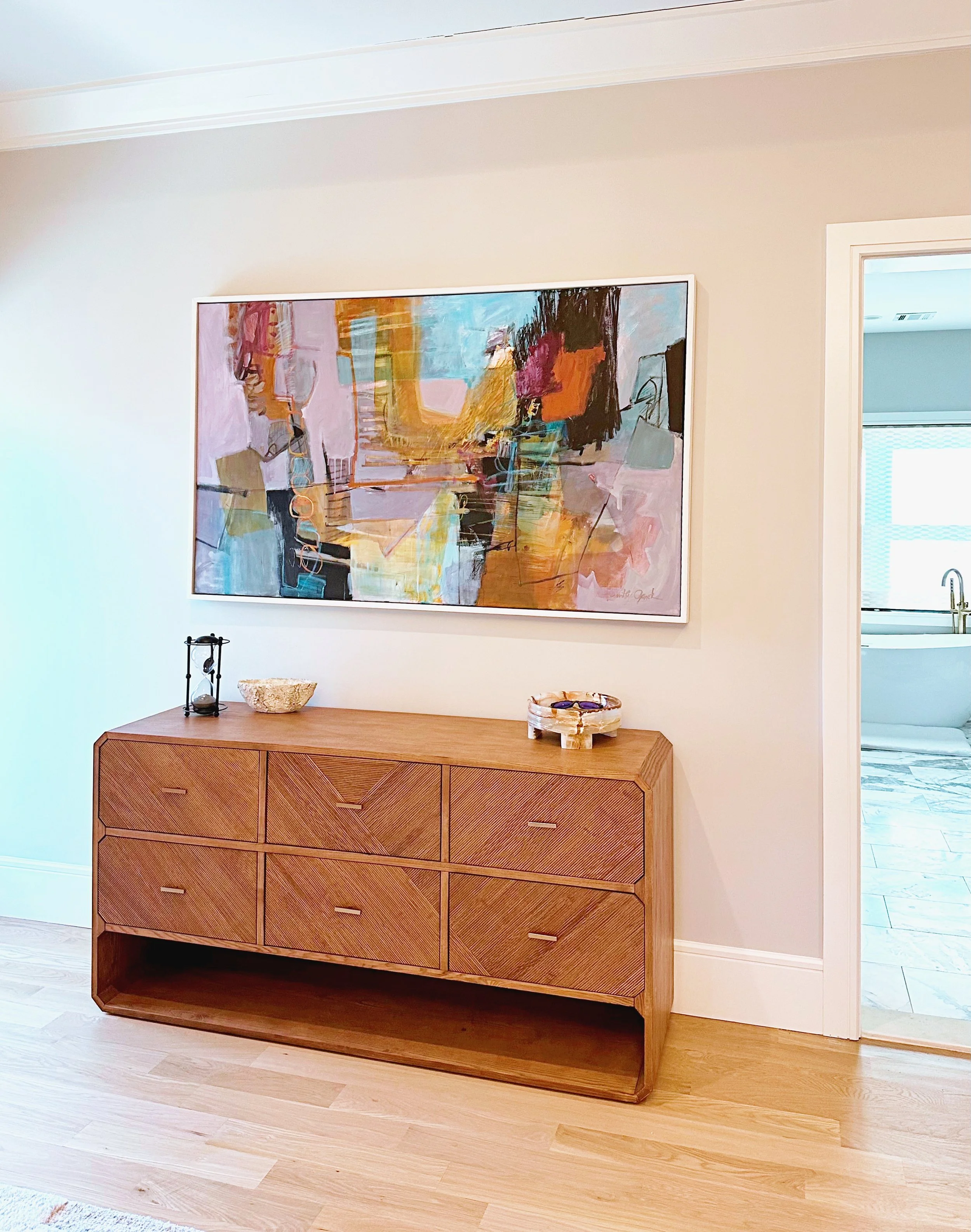
An entryway creates the first impression of a home, even though most of us pass through it in a hurry. It can easily become a collection point for shoes, keys, bags, unopened mail and an umbrella that never seems to leave. A strong painting near the entrance gives that space a point of view: instead of simply arriving inside a house, you encounter something that tells you a little about the people who live there.
Because you do not spend hours sitting in an entryway, it can be a good place to make a braver choice. You might try a color you were unsure about in the living room, a composition with more movement, or a work that feels unexpected. To see the possibilities, stand outside your front door, walk in and notice where your eyes naturally land. If the answer is “the thermostat,” there may be an opportunity.
The Kitchen Doesn't Have to Look So Practical
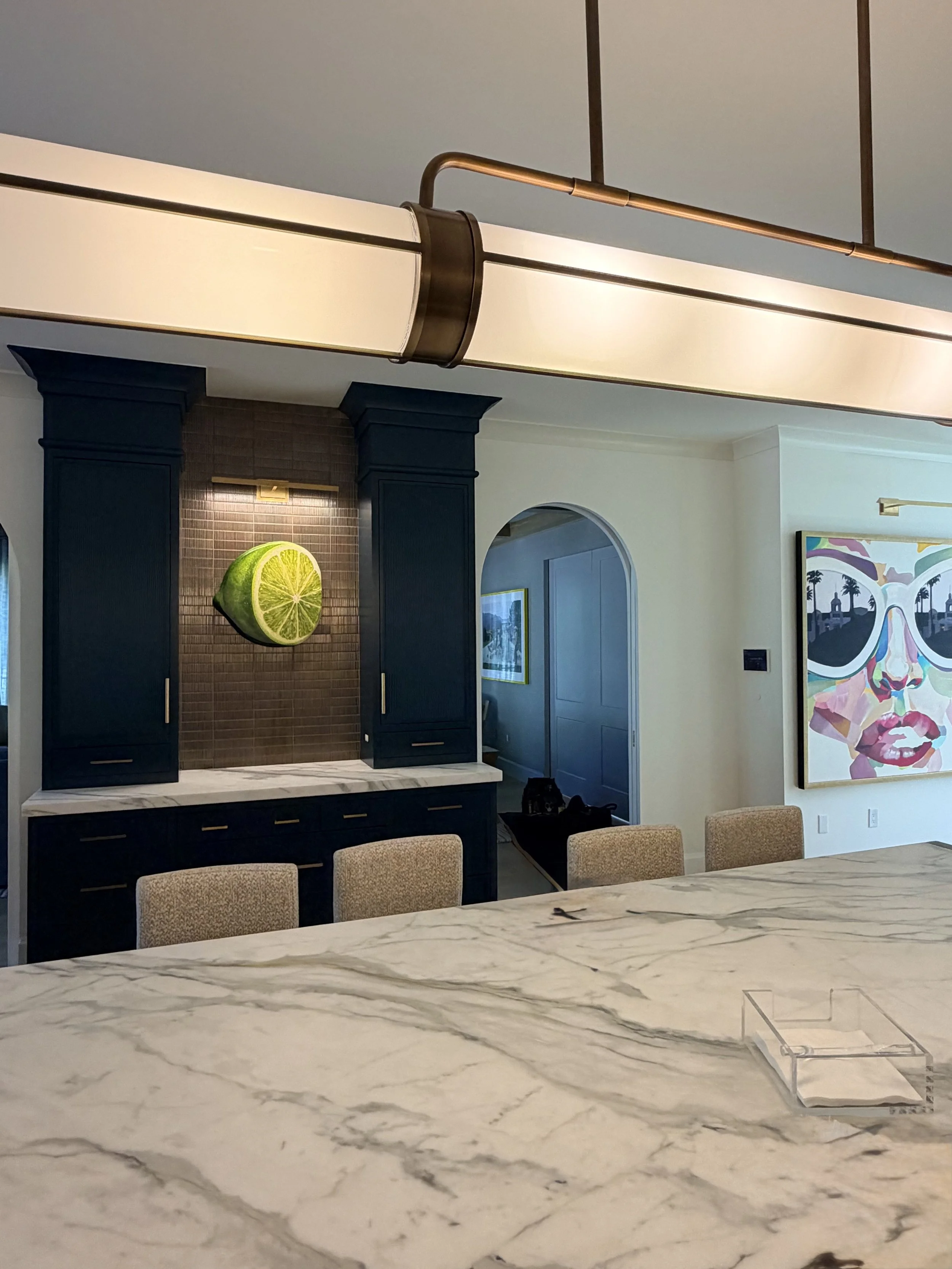
The kitchen is one of the hardest-working rooms in a house. Coffee gets made, lunches get packed and groceries arrive, while someone wanders in looking for something to eat five minutes after insisting they were not hungry. A room organized around so many practical tasks can benefit from something chosen simply because you enjoy looking at it.
A small painting near the breakfast table, a photograph on an open wall, or a work on paper placed away from heat and moisture gives your eye somewhere else to go. Smaller artworks often suit kitchens particularly well because cabinets, doors and windows leave shorter stretches of wall. Rather than asking where art is supposed to go in a kitchen, consider which wall you actually look at every day. That answer may be more useful than a decorating rule.
Hallways Are Not Dead Space
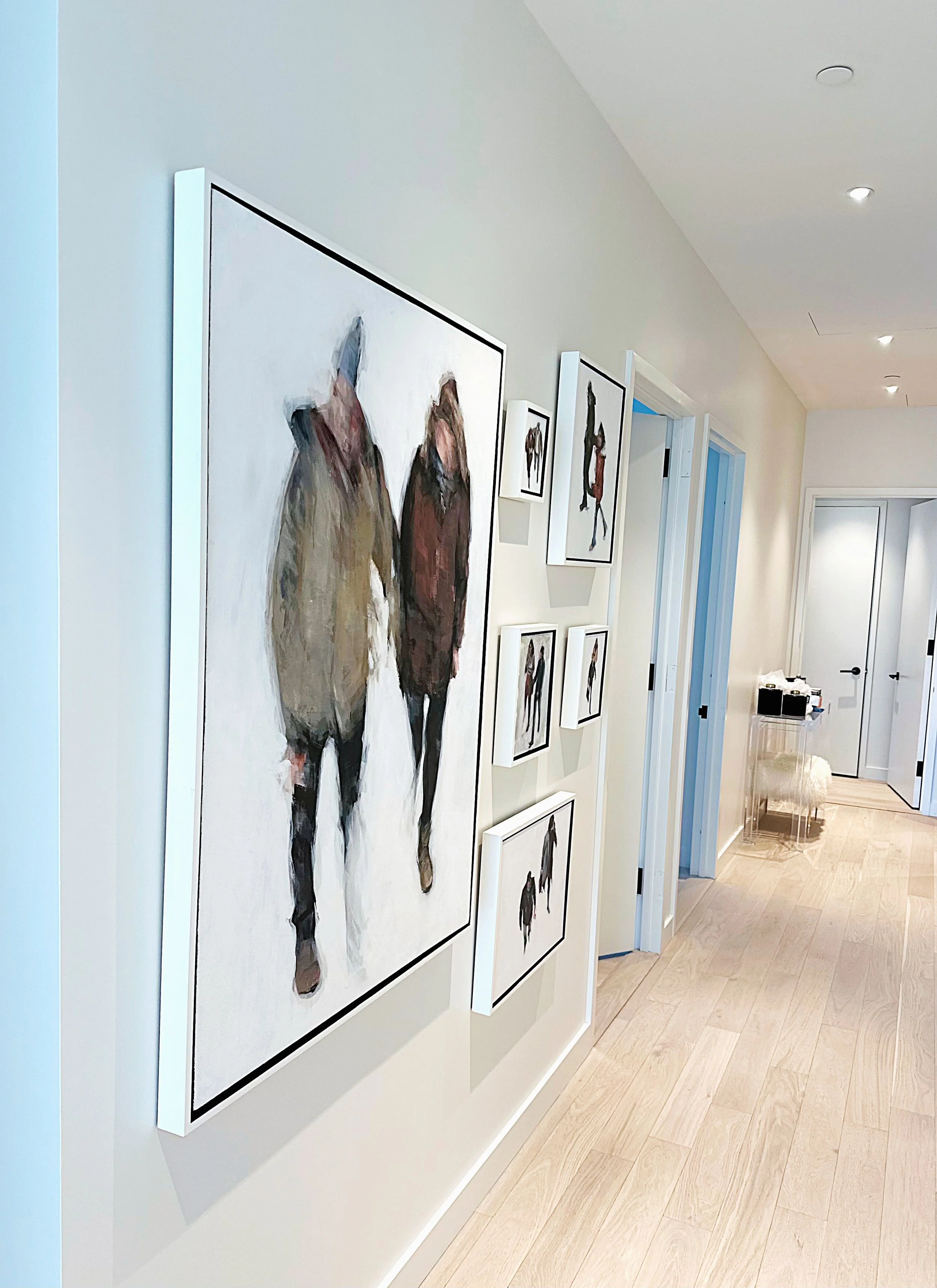
Hallways are usually treated as the roads between the interesting parts of a house, yet we move through them constantly: heading upstairs, carrying laundry, checking on the kids or making that mysterious late-night trip toward the refrigerator. They offer a way of experiencing art that a living room often does not. As you approach a work and walk past it, you see it from different angles and distances rather than from one fixed chair.
That movement makes a hallway an inviting setting for photography, a sequence of smaller works, or pieces whose details become visible as you get closer. It also lets a collection grow gradually. You can begin with one work, add something discovered while traveling, and later find an artist you never expected to love. Over time, the passage becomes a record of what has caught your attention, without needing to solve the entire wall at once.
The Small Rooms Can Take Big Ideas
Powder rooms, landings, reading corners and little walls beside doorways rarely carry the same decorating pressure as a living room. With less need to coordinate everything, these spaces can be surprisingly liberating. A strange image, a saturated color, a humorous piece or a small work full of detail may feel completely at home there, even if it seemed difficult to place elsewhere.
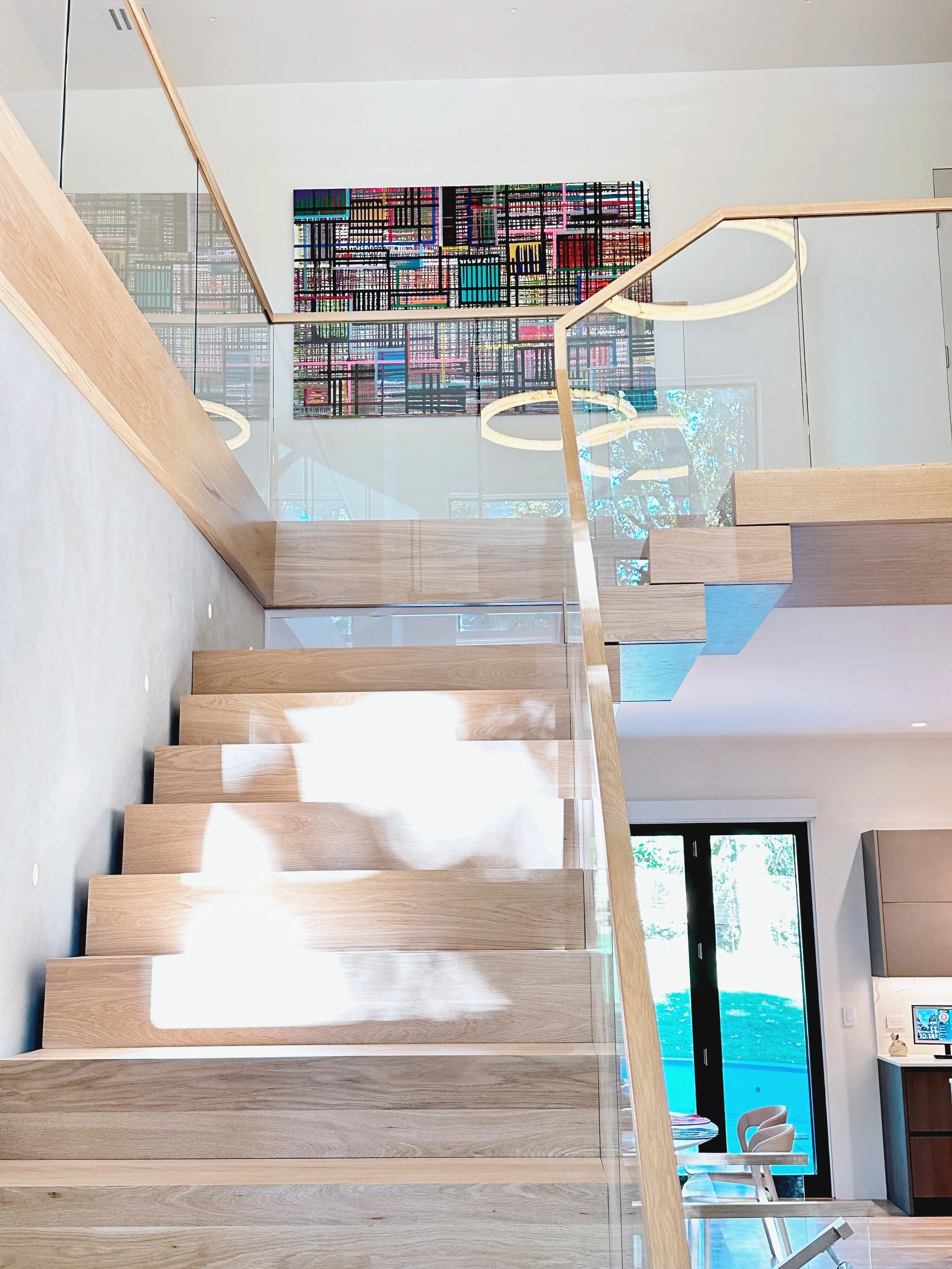
Art encountered unexpectedly can leave a strong impression. Someone rounds a corner, pauses on a landing or settles into a reading chair and discovers a work they had not anticipated. The piece they remember from your home may be that quiet discovery rather than the largest painting in the house.
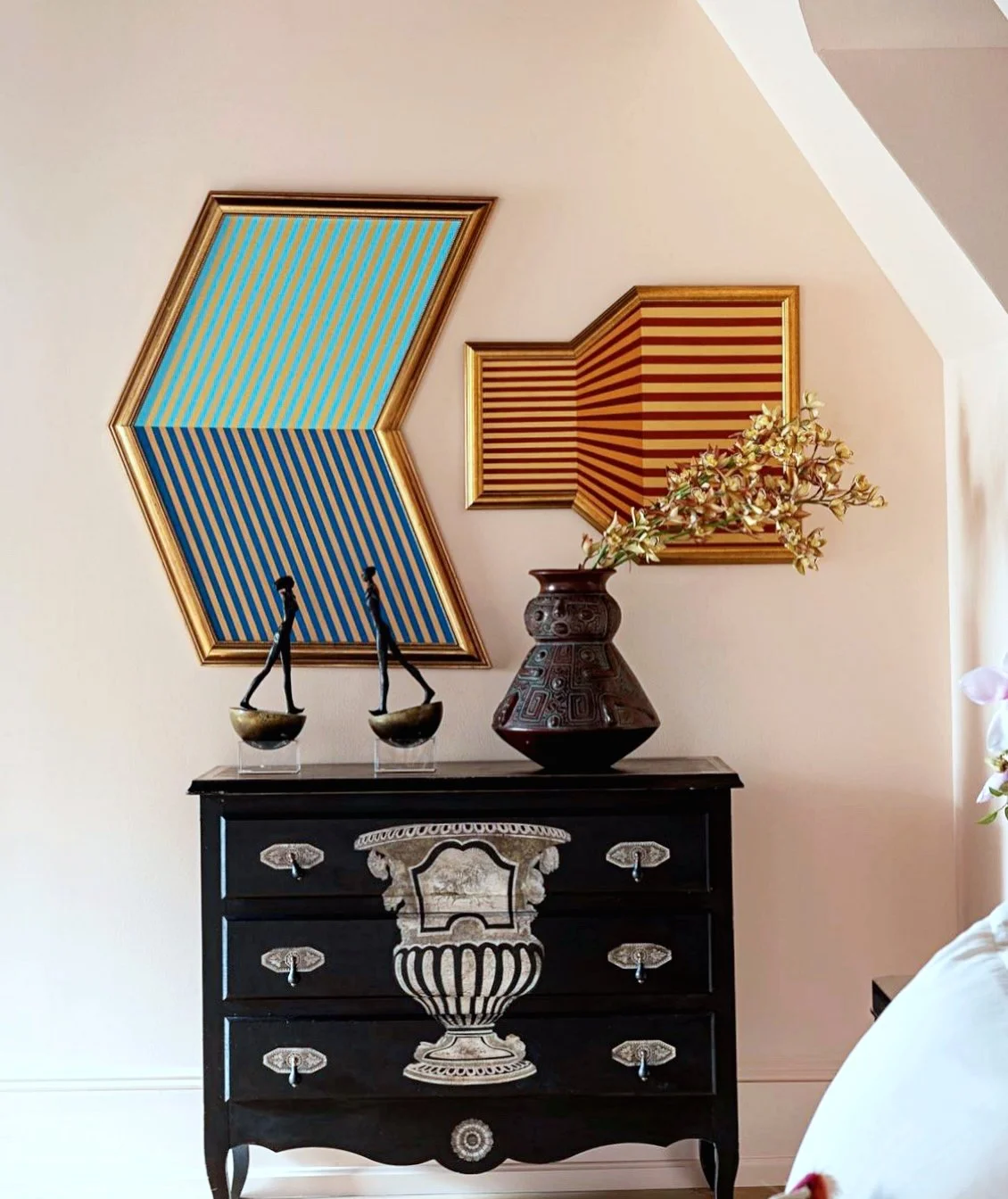
Look at Your Home Again
One of the easiest mistakes to make with art is waiting for the “important” wall: the enormous space over the sofa, the fireplace or the dining room. Living with art involves more than furnishing those prominent places. It is also an opportunity to create moments of interest wherever everyday life happens.
Before deciding that your home has no room left for art, walk through it again. Consider the little console by the door, the wall you face while drinking coffee, the landing halfway upstairs and the empty stretch of hallway you have passed thousands of times. There may already be a place for a work you love; you simply have not been thinking of it that way.
A Note From the Gallery
People often come into J. Nunez Gallery looking for a painting for one particular room. Then they encounter something they love, and the question changes from “What matches my living room?” to “Where could I live with this?” That shift opens up possibilities that a room-by-room decorating plan can easily overlook.
Before your next gallery visit, photograph two or three walls you have never seriously considered for art. Include enough of the surrounding space to show how you use it, and bring those photographs with you. The best place for your next piece may turn out to be somewhere you had not thought to look.