
Why Has Art Been on Our Walls Since the Beginning of Civilization?
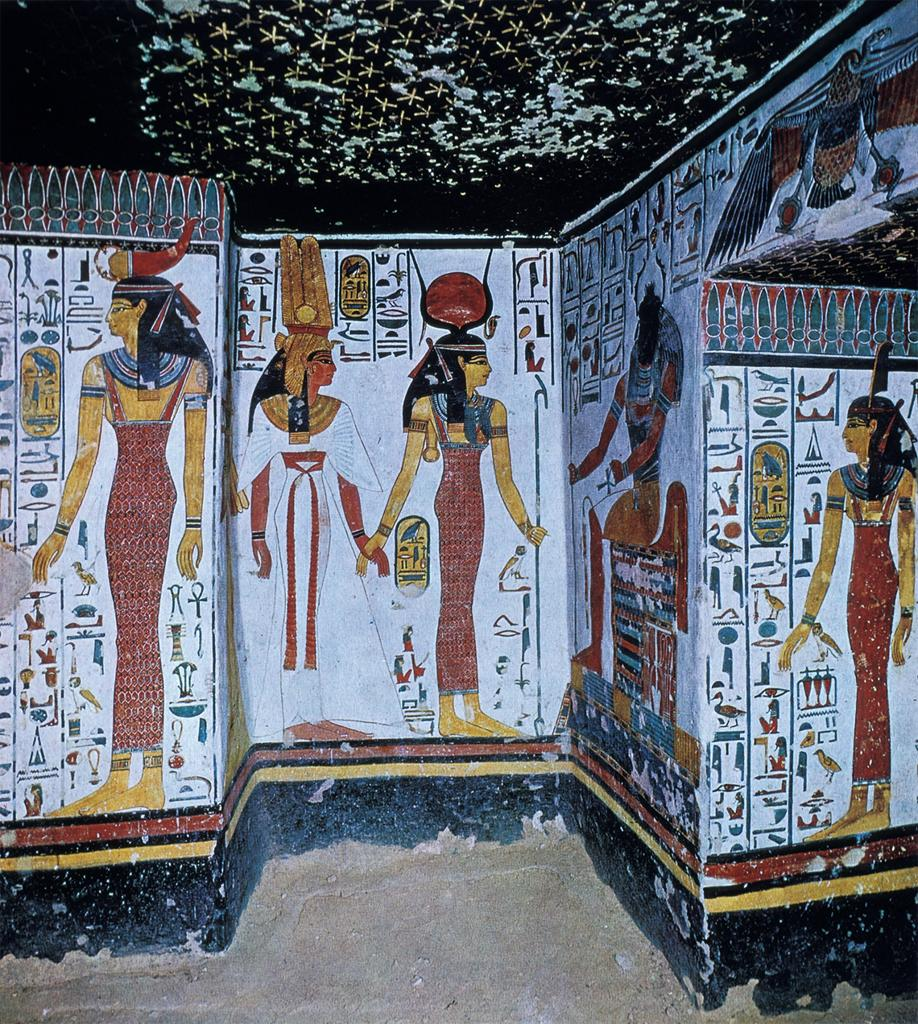
Long before there were galleries, museums or collectors, people were making images on walls. Not because they needed something to match the furniture. There was no furniture to match. Yet thousands of years before the first cities, human beings were already leaving paintings, symbols and handprints on rock surfaces. We still debate exactly why they did it. But one thing is clear: images mattered enough to create them and, in many cases, preserve them for thousands of years.
The interesting question is not simply why we decorate our walls today. It is why humans have repeatedly turned walls into places for stories, beliefs, memory and identity.
Before Writing, There Were Images
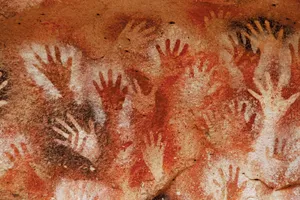
The painted hands at Cueva de las Manos in Argentina are among the most recognizable examples of prehistoric rock art. Many were created by blowing pigment around a hand placed against the rock. We do not know exactly what each hand meant to the people who made it. But we can still recognize the gesture. A person was here. They left a mark. Thousands of years later, someone else can stand in front of it.
That is an extraordinary connection between people who will never meet.
Walls Became Memory, Power and Identity
In ancient Egypt, decorated tombs were closely connected to beliefs about death and the afterlife. Painted ceilings, symbolic colors and scenes of daily life belonged to a larger system of beliefs about identity and existence beyond death. Color itself could carry meaning. Egyptian blue, one of the earliest synthetic pigments, was used in paintings and objects associated with both earthly and sacred life. Elsewhere, rulers used carved and painted images to communicate authority.
In Mesopotamia, monumental reliefs celebrated kings, military victories and royal power. Art could preserve identity, express religious beliefs and make political authority visible. These were not simply empty surfaces waiting to be decorated. They were places where civilizations recorded what mattered to them.
Then Art Entered Everyday Life
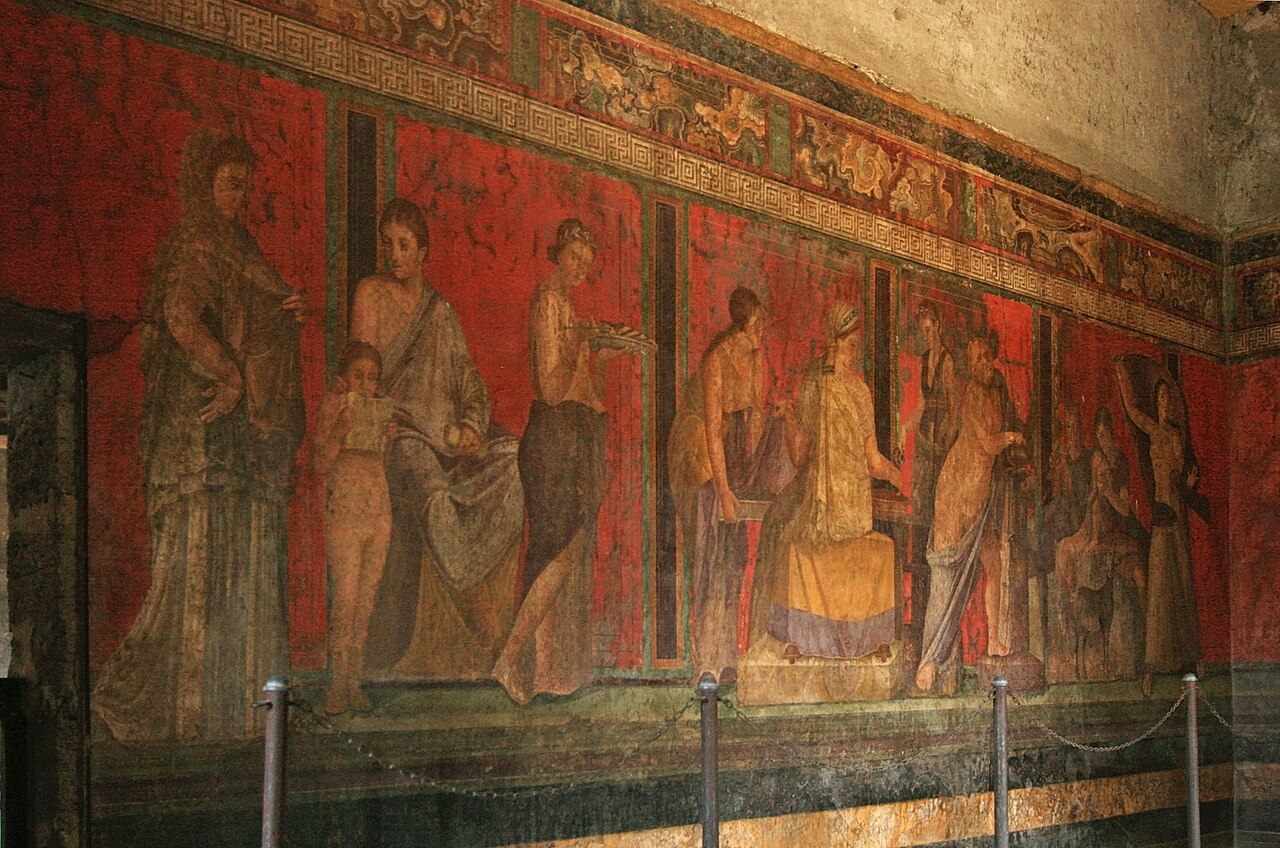
The Greeks and Romans also understood that art could transform architecture. At Pompeii, surviving frescoes show architectural illusions, gardens, figures, landscapes and elaborate decorative schemes. Some rooms appeared to open onto imaginary worlds. Others used color and painted architectural elements to transform how a space felt. The wall was no longer simply a boundary. It could create an atmosphere. And that is something we still ask art to do in our homes.
Different Civilizations, Different Reasons
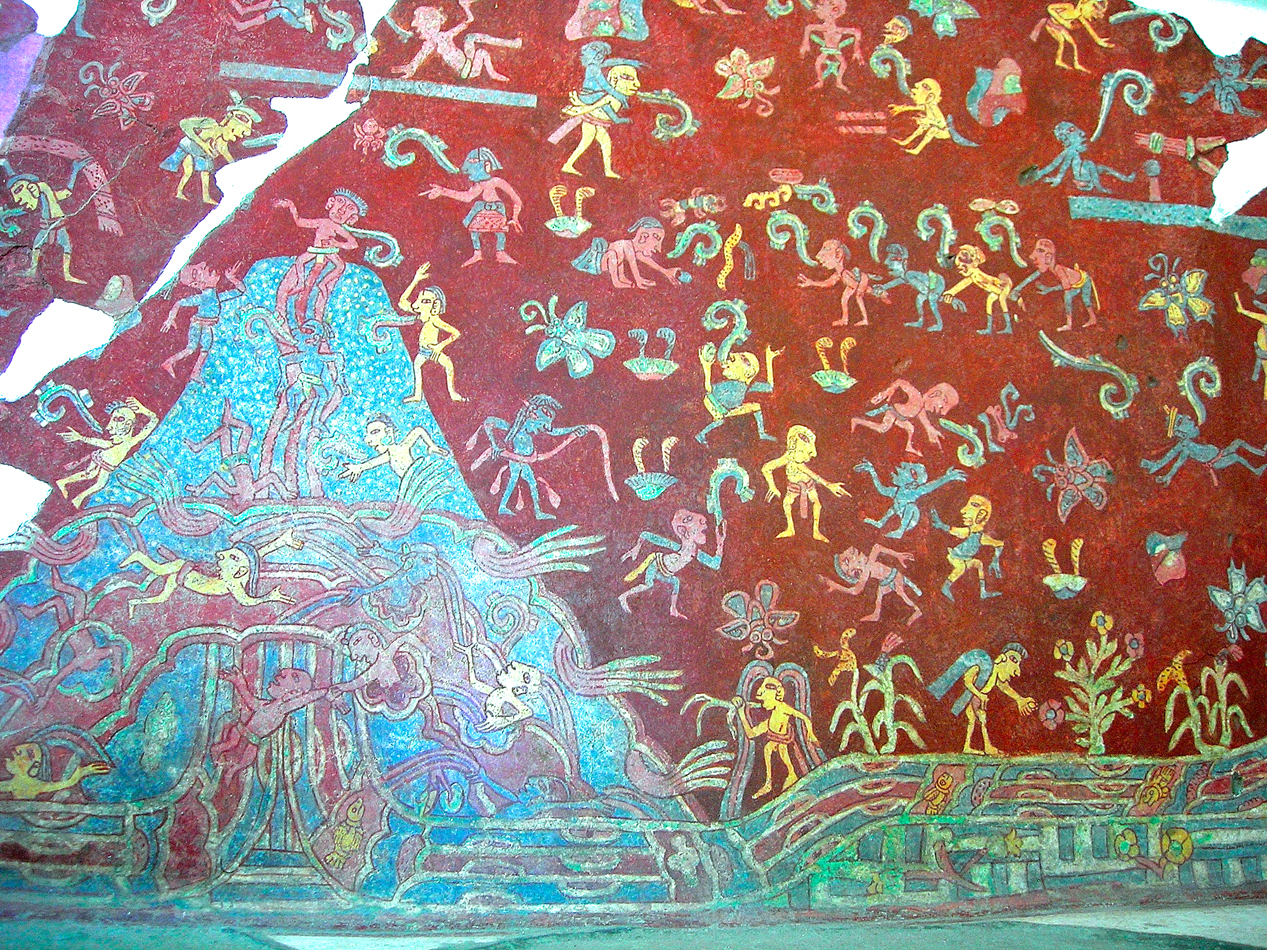
The history of wall art was never exclusively European or Mediterranean. Across India, China and Mesoamerica, artists developed visual traditions that reflected very different religious, political and cultural ideas. At Teotihuacan, painted murals formed part of architectural spaces and expressed aspects of religious and social life. In Buddhist traditions, painted walls could communicate teachings and sacred narratives. In China, landscape painting developed ways of expressing relationships between human beings and nature.
These traditions were not interchangeable. Their meanings, materials and purposes differed enormously. But together they show how widely human societies have used images to communicate ideas that mattered to them.
When Walls Became Places of Learning and Belief
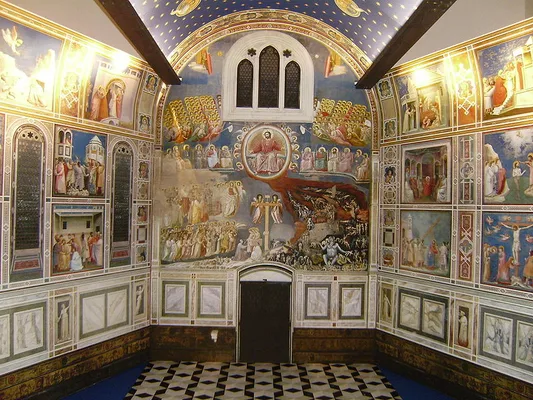
During the Middle Ages, religious art occupied an important place in churches, temples and other sacred spaces. Paintings and mosaics could communicate biblical narratives, religious figures and ideas about salvation. In Islamic architecture, calligraphy, geometry and ornament transformed architectural surfaces into expressions of artistic and spiritual meaning. The wall could teach, inspire and invite contemplation. For many viewers, images offered ways of engaging with ideas that were not dependent on reading a written text.
When Art Became Part of the Architecture
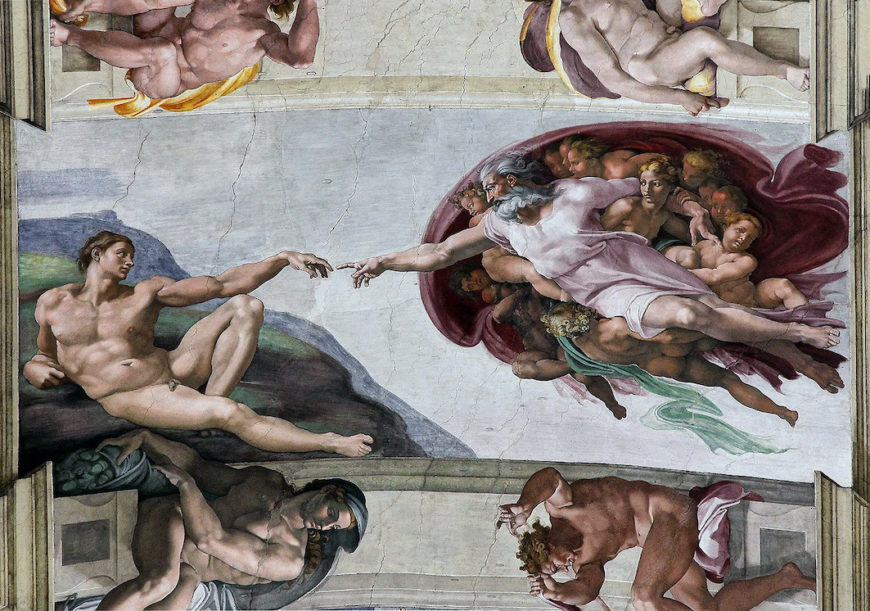
Centuries later, Michelangelo transformed the ceiling of the Sistine Chapel into an enormous visual narrative. The building itself became inseparable from the artwork. The viewer did not simply look at a picture hanging on a wall. They entered a space shaped by painting. The relationship between art and architecture remains relevant today, even when the scale is much smaller.
When Walls Spoke to Everyone
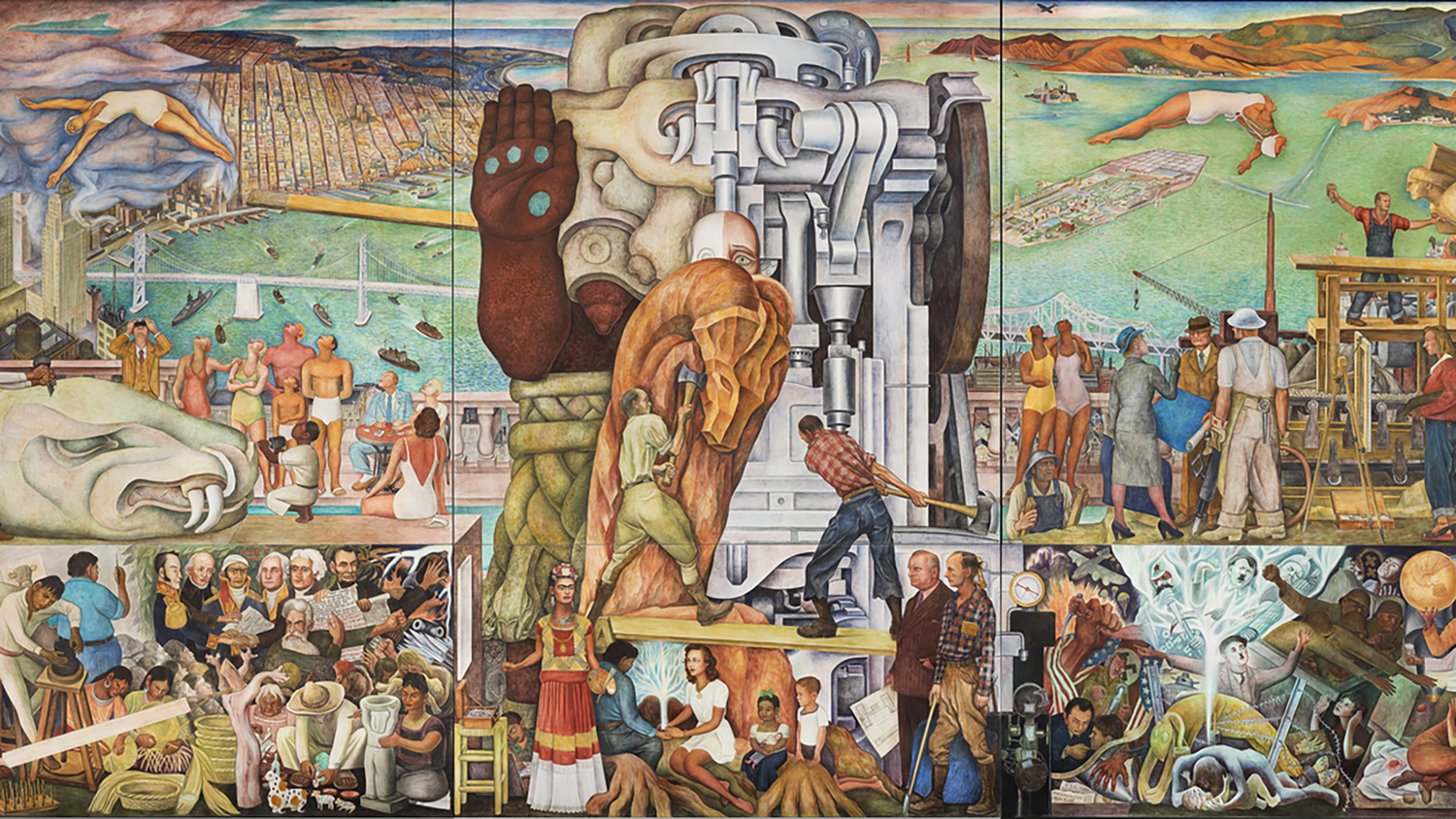
In the twentieth century, muralists such as Diego Rivera brought historical and political narratives into public spaces. Art could communicate collective memory, labor, conflict and national identity. It was no longer necessary to enter a palace or private collection to encounter ambitious visual storytelling. A wall could become a public conversation.
And Today, We Still Give Our Walls Meaning
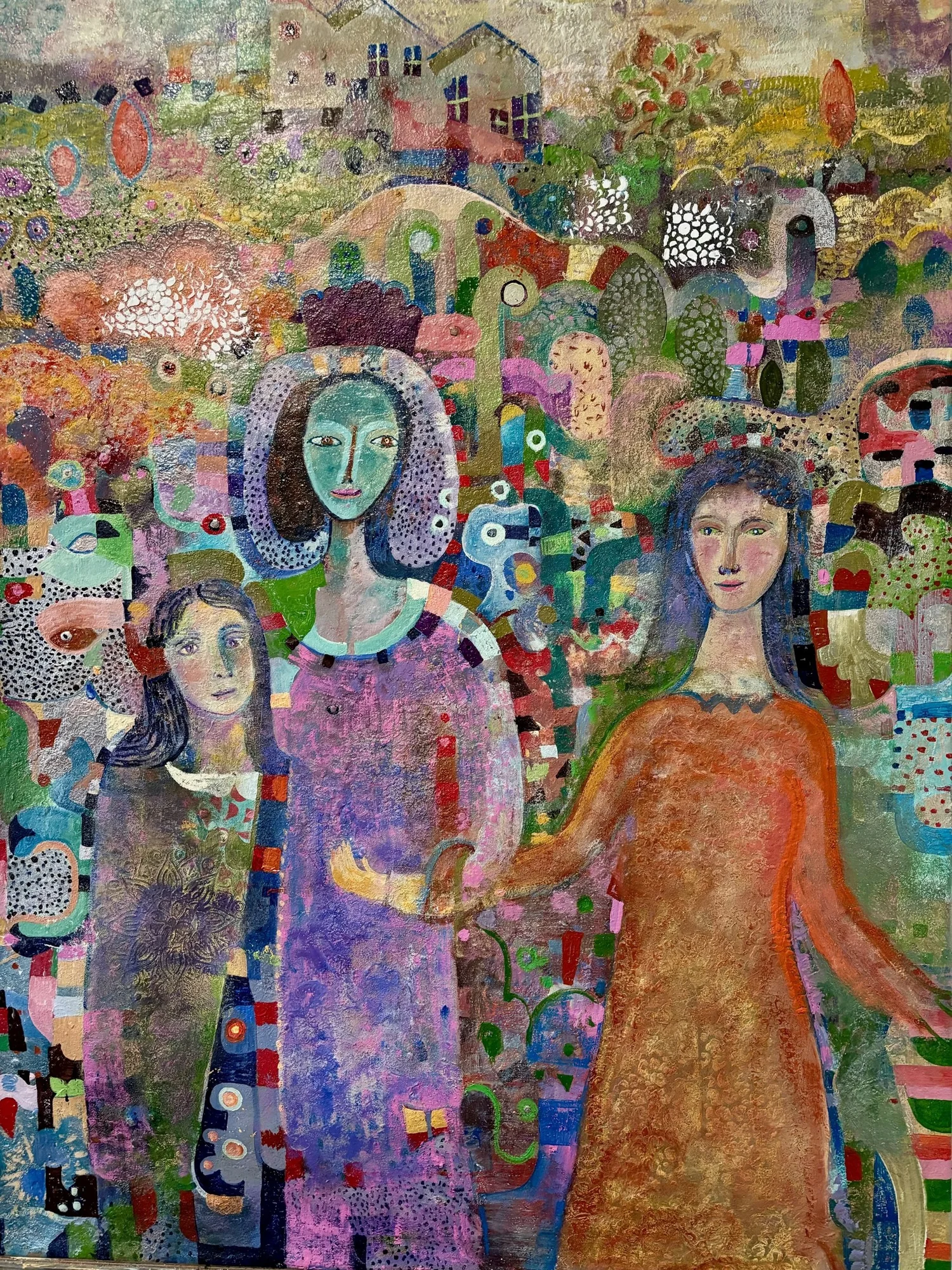
Today, most of us are not commissioning tomb paintings or monumental frescoes. But we still choose images for the places where we live. Sometimes because they remind us of something. Sometimes because of color. Sometimes because they express a part of our personality that words cannot quite explain. An artwork can become part of family conversations. It can remind us of a place, a relationship or a particular moment in our lives.
And sometimes we choose art for no more complicated reason than the fact that we love looking at it. That is a perfectly good reason too. The historical purposes have changed. The desire to live with meaningful images has not disappeared. Explore contemporary original art and see it in Art in Homes.
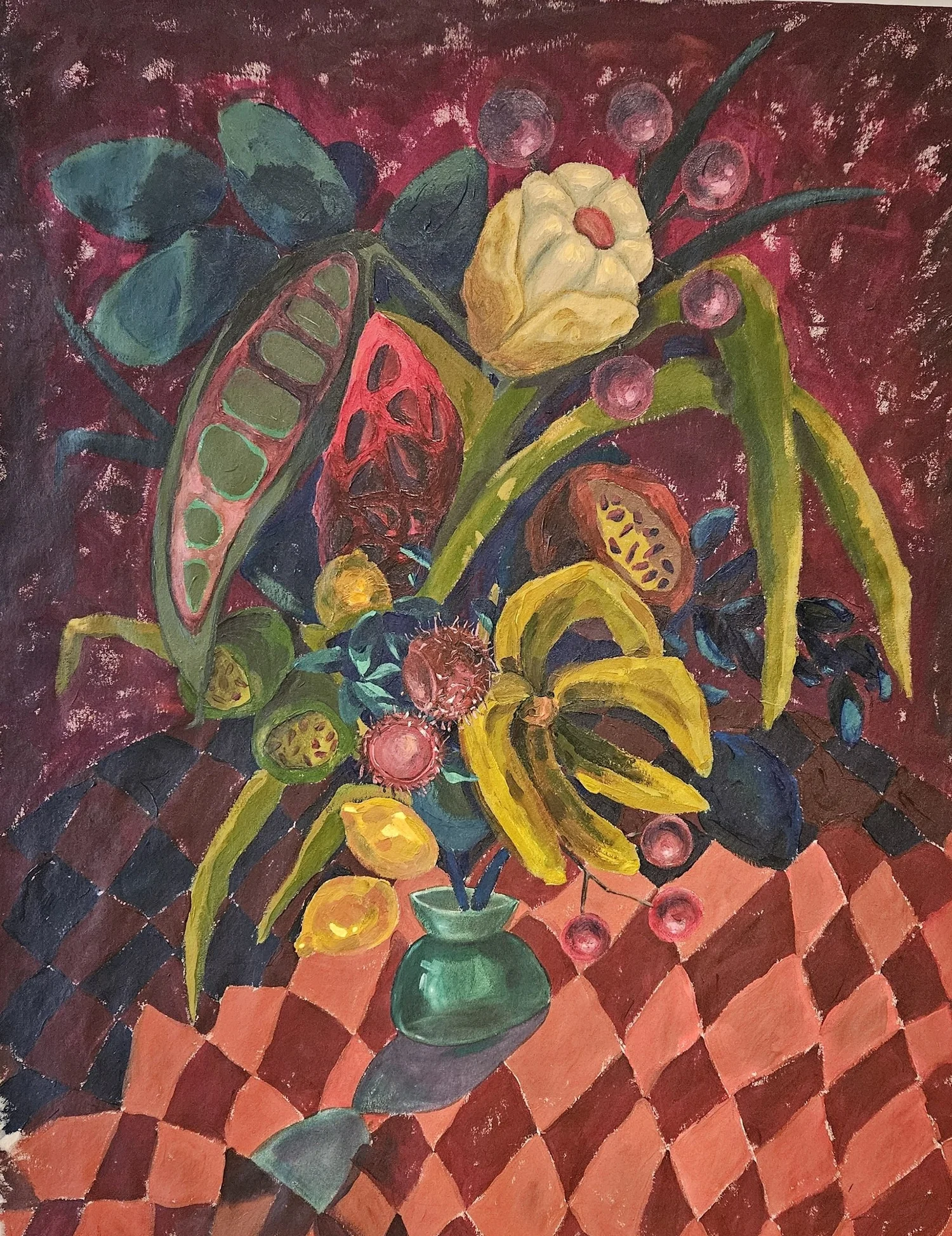
A Note From the Gallery
When I look at the history of art, what interests me is not the idea that every wall needs a painting. It is that human beings have spent thousands of years finding reasons to create images and live alongside them. Those reasons have included religion, power, memory, beauty, storytelling and personal expression. Today, we have the freedom to choose what we want our spaces to say about us.
At J. Nunez Gallery, I see that every day. People are drawn to different artists, different colors and different subjects. What matters to one person may mean something completely different to another. That is part of what makes living with original art so personal. And perhaps that is the connection between a painted cave wall and a contemporary home. Not that they mean the same thing.
But that images have continued to matter.