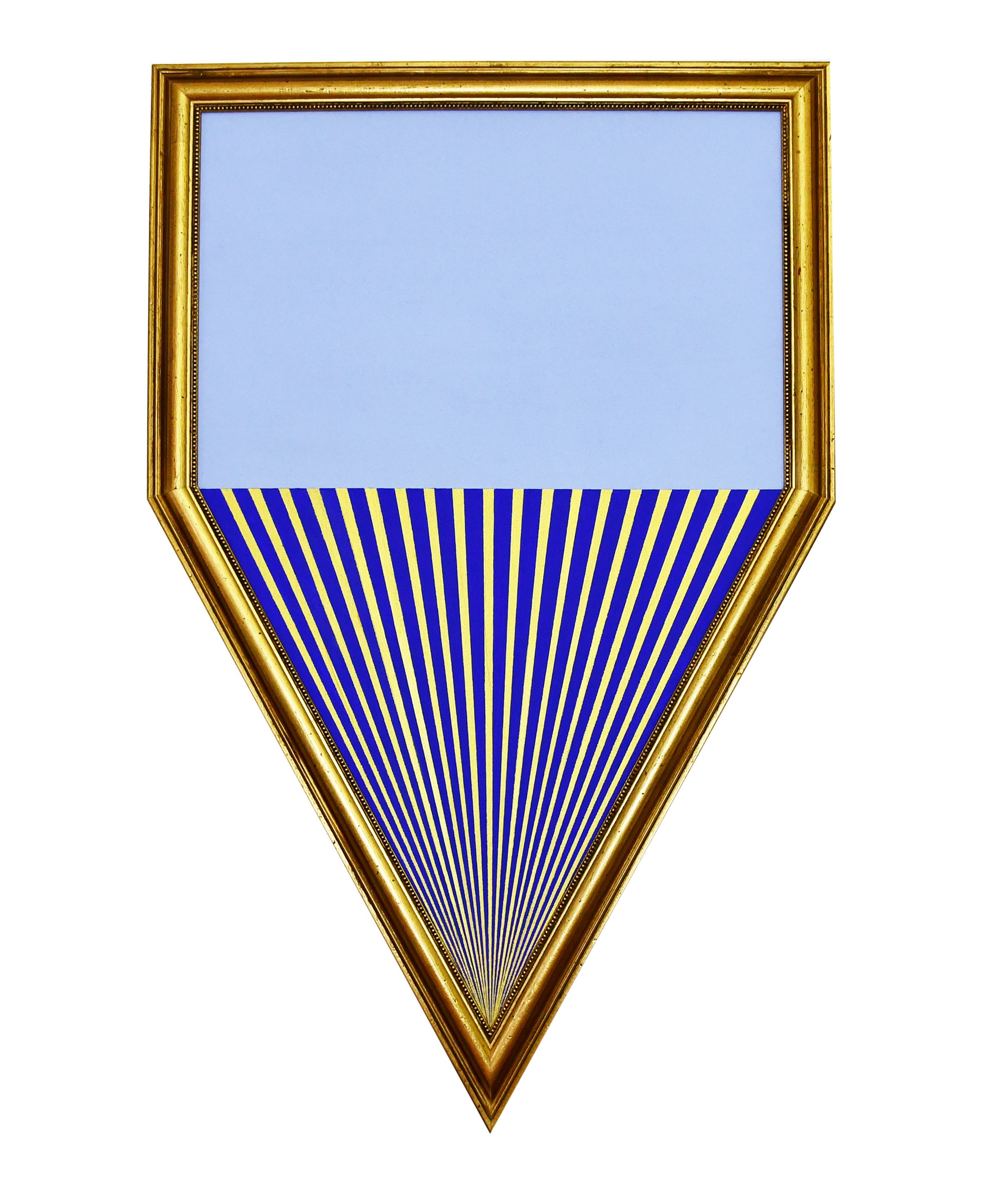
What Happens When Art Refuses to Stay Inside a Rectangle?
Most of us are so used to rectangular art that we barely notice the shape anymore. Paintings, photographs and frames have four sides, and we accept the rectangle as the natural boundary of an artwork. But it is not the only possibility.
Some artworks are round. Others have sharp angles, unexpected curves or irregular edges. Some extend outward from the wall and occupy space in ways that traditional paintings do not. When that happens, the edge stops being simply where the artwork ends. It becomes part of the artwork itself.
Why Did the Rectangle Become the Standard?
There are practical reasons why rectangular paintings became so familiar. Rectangular supports are relatively easy to construct, stretch, frame, transport and display. They also relate naturally to the architecture around us: windows, doors, walls and rooms frequently follow rectangular geometry.
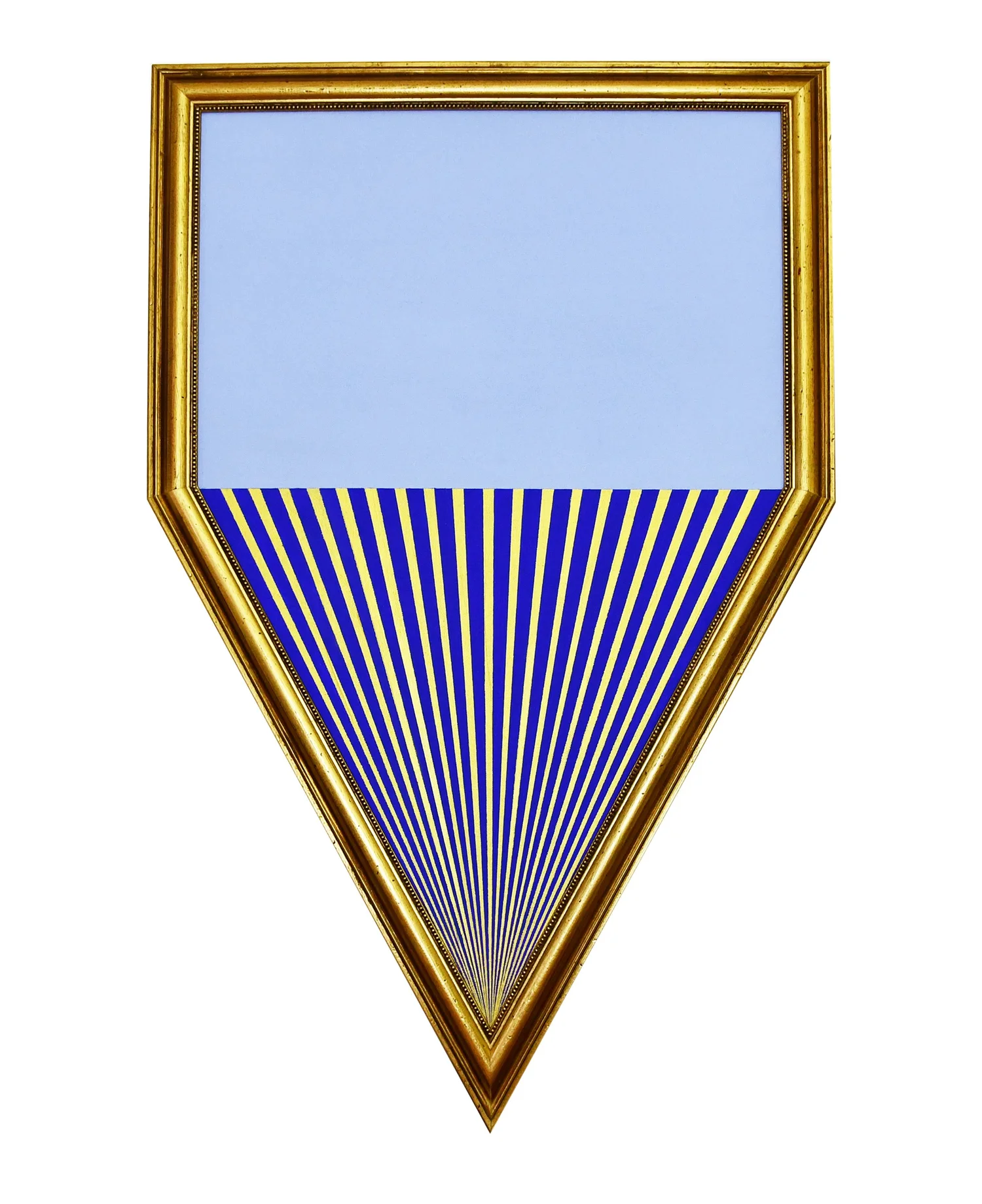
Art, however, has never been exclusively rectangular. Circular paintings, often called tondos, have existed for centuries. During the Renaissance, artists such as Botticelli and Michelangelo created important circular compositions. In the twentieth century, artists explored shaped canvases more deliberately, challenging the assumption that a painting had to remain inside four straight edges. The rectangle is a convention, rather than a requirement.
Beyond Four Straight Edges
A circular artwork has no corners. That sounds obvious, but it changes how we experience the composition. In a rectangular painting, horizontal and vertical edges establish a familiar structure. A circle creates a continuous boundary, allowing our eyes to move around the composition without encountering the same sharp transitions.
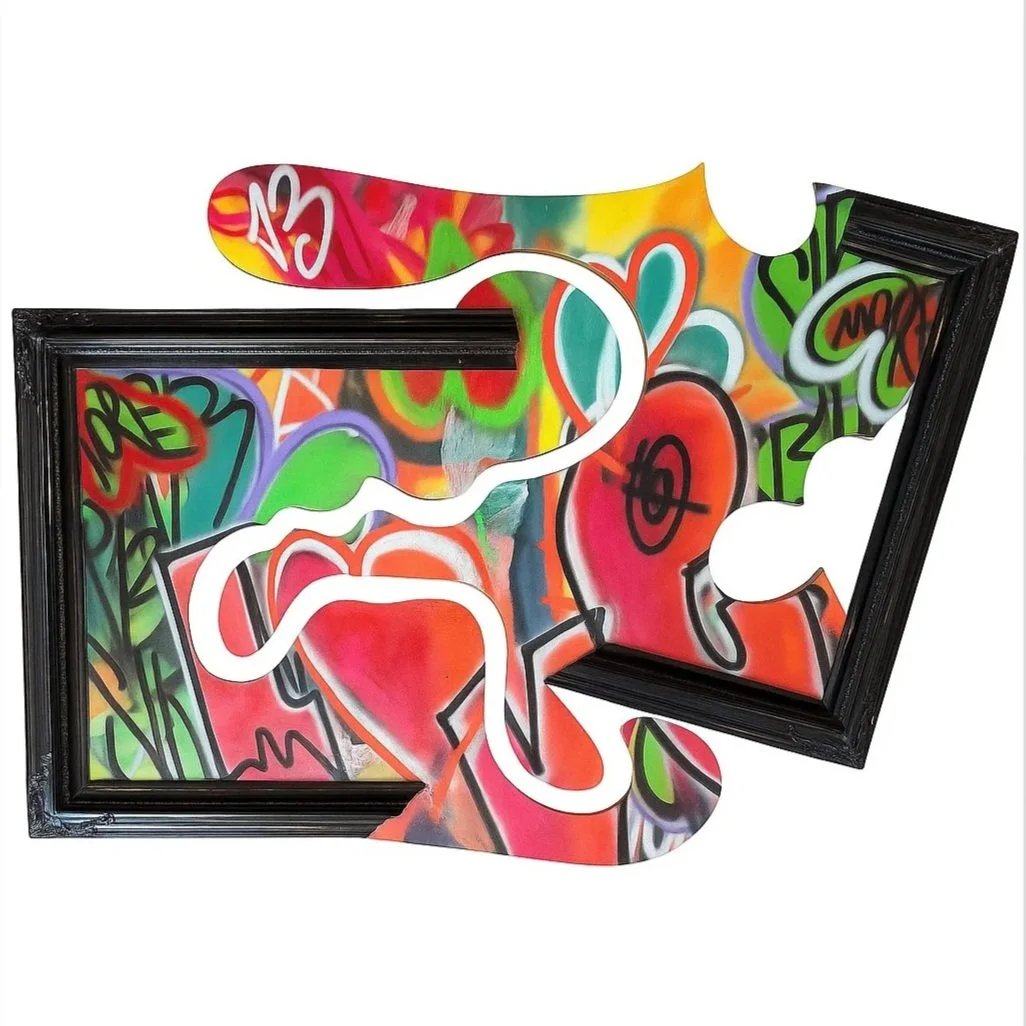
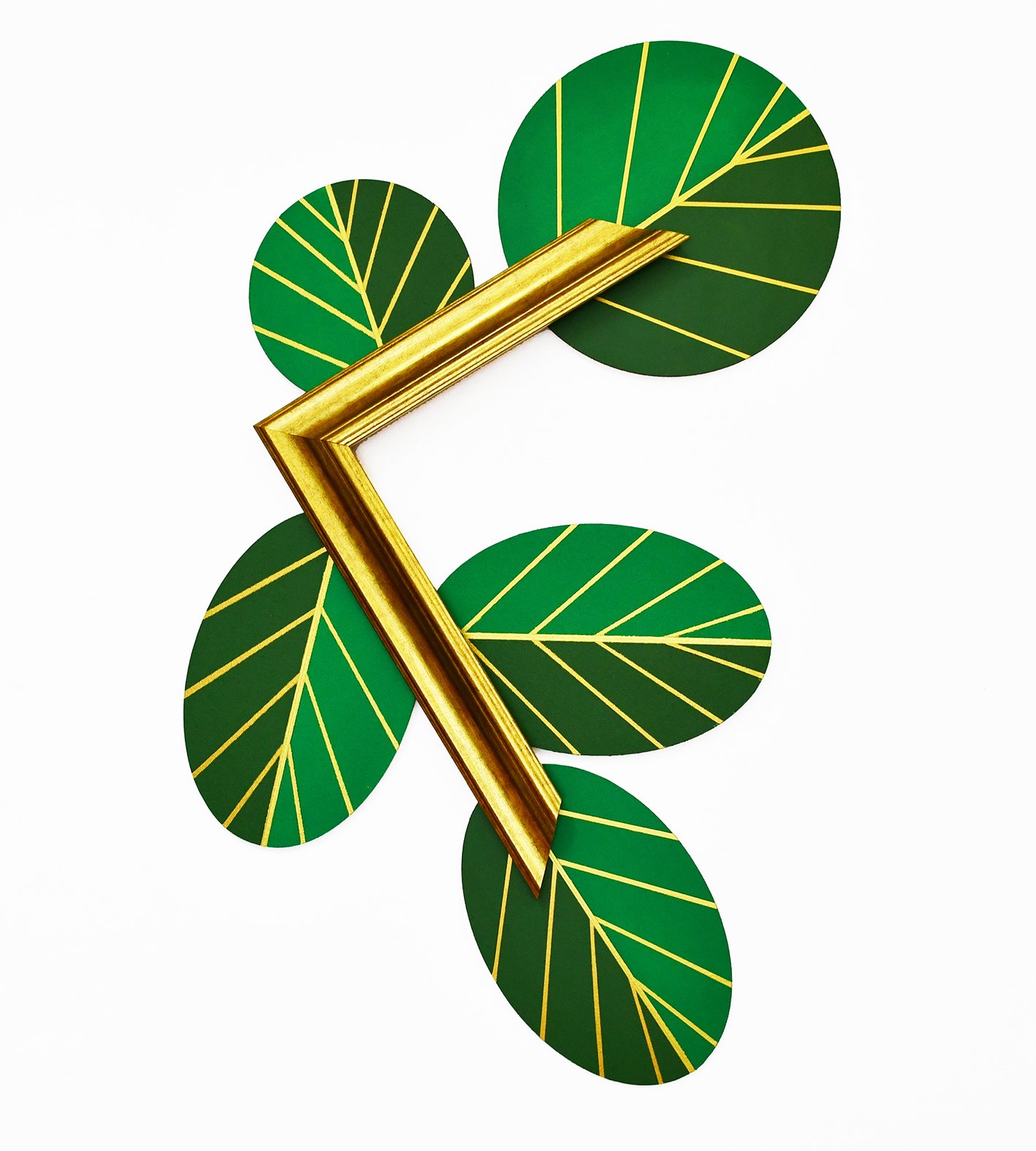
A circular work may feel concentrated, balanced or fluid, depending on what the artist places inside it. Other shaped works challenge the boundary more directly. In my Deframed collection, painted forms extend beyond sections of frame, interrupting the familiar rectangle. Rather than simply enclosing the image, the frame becomes part of the composition, and the wall remains visible around its irregular edges.
When the Edge Becomes Part of the Composition
In a conventional painting, most of our attention goes to what happens inside the canvas. Color, line, subject and composition occupy the space within the frame. Imagine instead an artwork whose outer boundary bends, projects or changes direction. Its silhouette becomes another compositional element: a curve may reinforce movement, a sharp angle may create tension, and an irregular edge may interrupt the geometry of the wall.
The important distinction is whether that shape contributes something meaningful to the work. An unusual outline is not automatically interesting. The question is whether the artwork would lose something essential if it were placed inside a conventional rectangle. In a shaped canvas, the physical boundary can become as deliberate a choice as the colors and lines within it.
The Wall Becomes Part of the Artwork
One of the most interesting things about shaped art is what happens outside the artwork. We usually think of the wall as a background, but irregular shapes make us more aware of the empty spaces surrounding them. This is negative space, and it can become an active part of how we experience a composition.
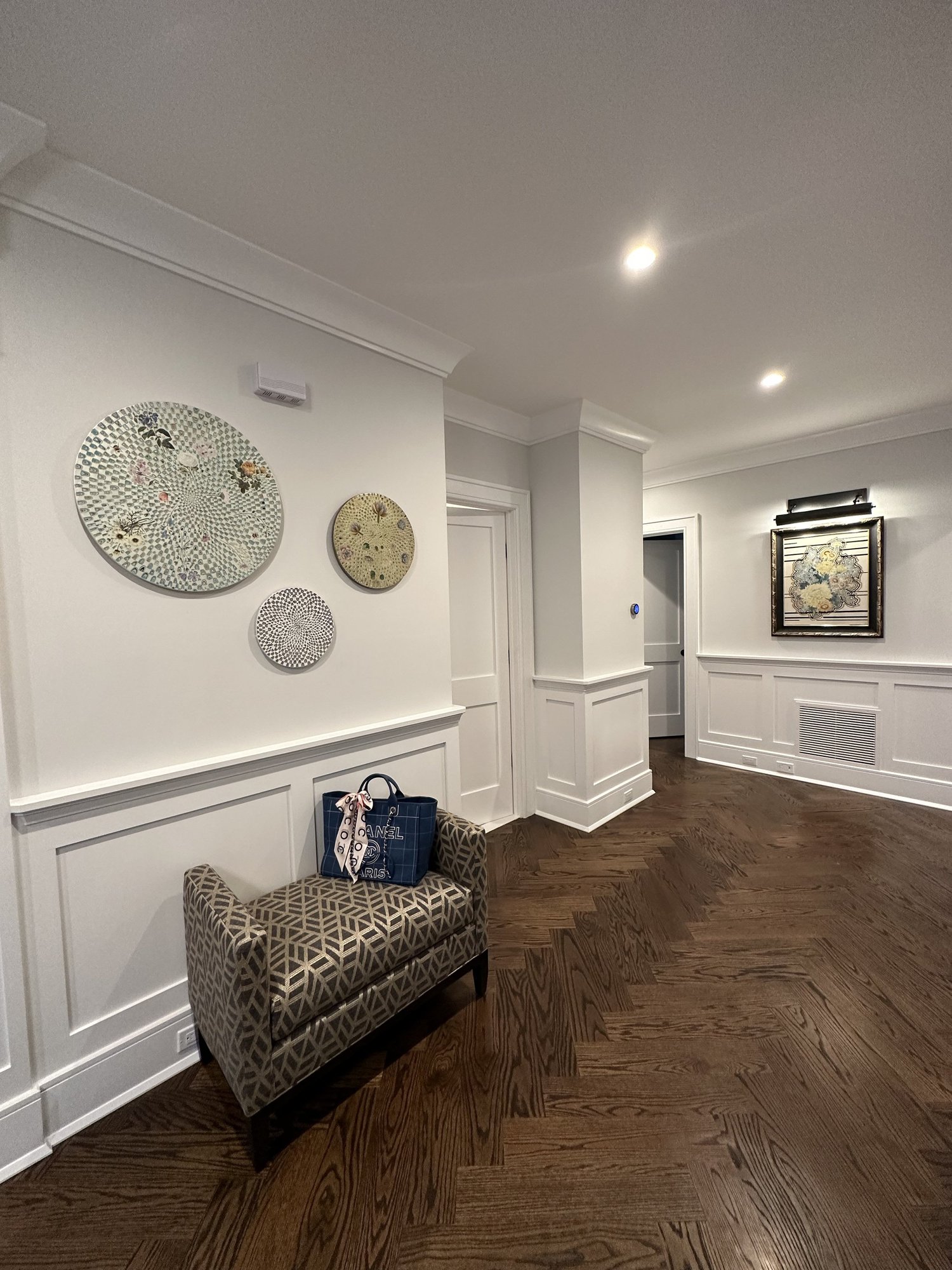
Consider several circular works arranged together. The distance between them creates rhythm, their different sizes establish movement, and the wall visible around each piece helps connect the installation. Jean Rim's Gilded Floral Tondos show how separate circular artworks can create a larger composition through their arrangement.
When Art Becomes an Object
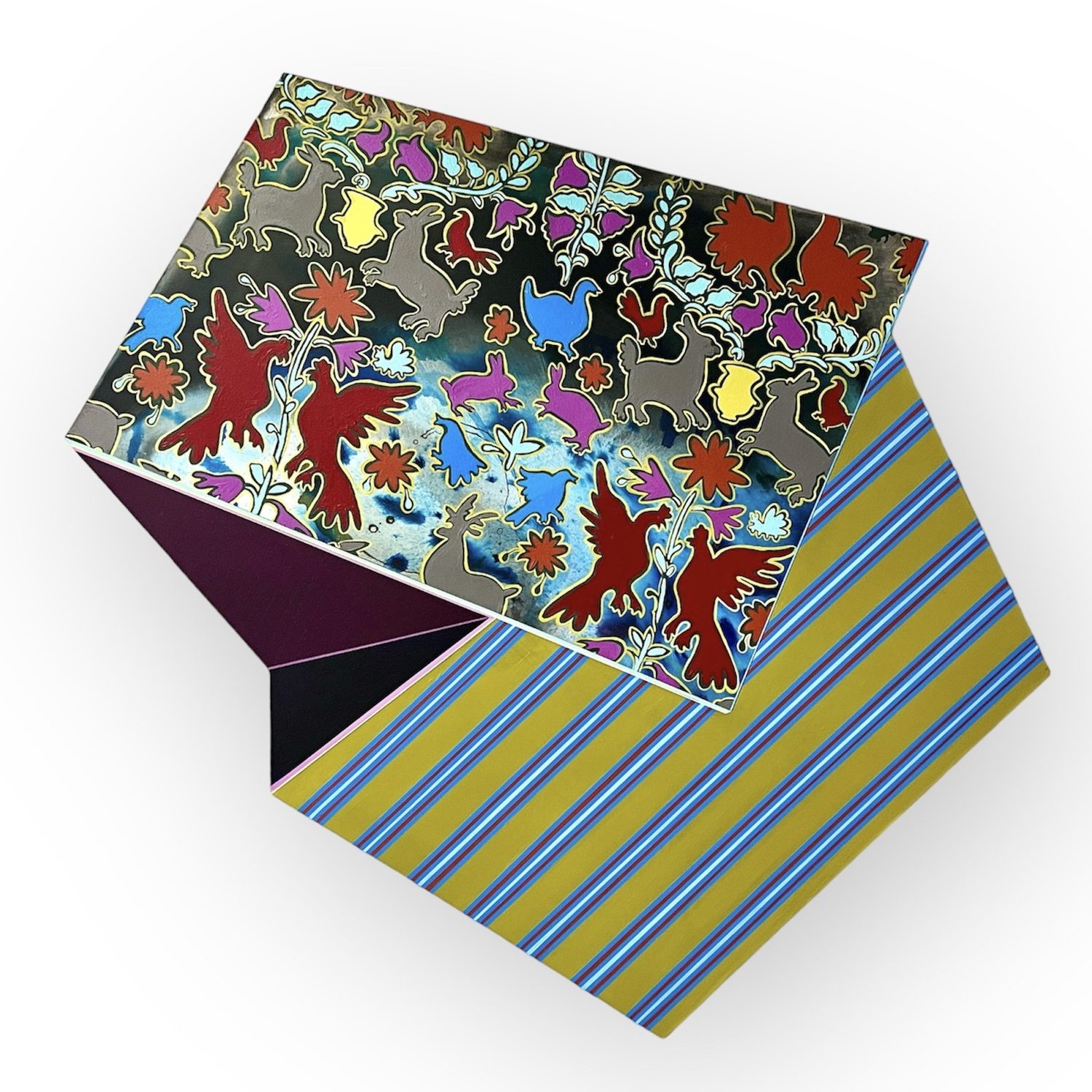
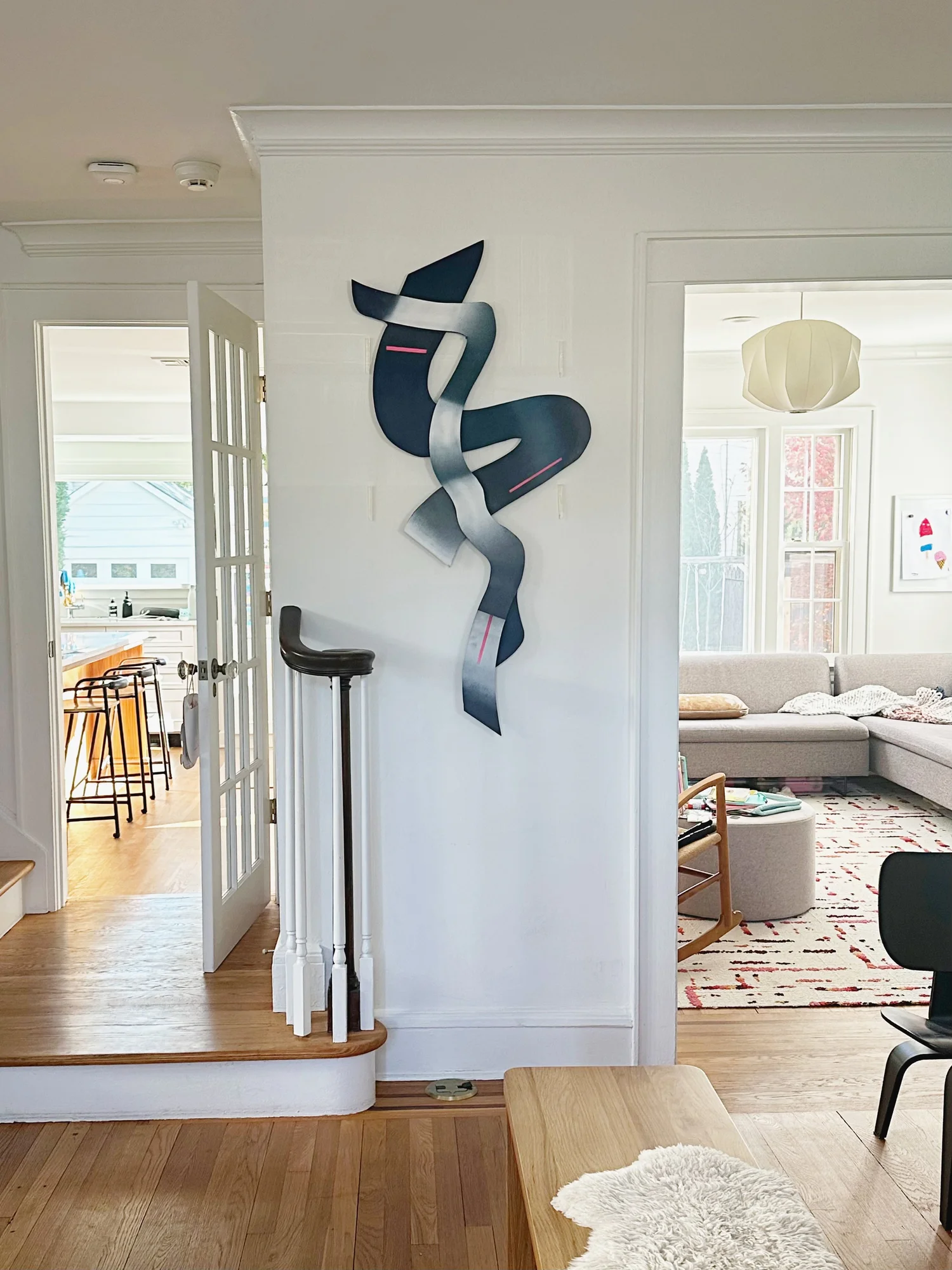
A painting is already a physical object, even when we primarily experience it as an image. Shaped works can make that presence much more obvious. Some project outward; others twist, fold or extend beyond the expected boundaries. At a certain point, the distinction between painting and sculpture becomes less useful. We begin to experience the work through its form, its relationship with the wall and the space it occupies.
An irregular wall sculpture may change appearance as we move around it. Its silhouette can look different from another angle, while the shadows it creates can change throughout the day. This offers another way of experiencing art in a room, alongside the possibilities of a traditional painting.
Shape Changes the Way Art Lives in a Room
Most people approach buying art by thinking about color, subject and size. Scale matters, but shape deserves consideration too. A rectangular painting can reinforce the architecture of a room, a circular piece can introduce contrast, and an irregular sculpture may create movement in a space dominated by straight lines. A group of shaped artworks can establish a visual rhythm that would be difficult to achieve with conventional frames.
Zeljka Paic's shaped works demonstrate how an irregular silhouette changes the relationship between artwork and architecture. Their contours create their own visual boundaries instead of simply occupying rectangular areas of the wall. When considering where to place original art, looking at that relationship can be as useful as measuring the available space.
Does an Unusual Shape Make Better Art?
A circular painting is not automatically more interesting than a square one, and a complicated silhouette does not guarantee a stronger composition. Sometimes the rectangle is exactly what an artwork needs. Other times, removing that boundary opens possibilities that would otherwise be lost.
What matters is whether the shape belongs to the artistic idea. The strongest shaped works do not feel as though someone simply cut an unusual outline around an existing image. Their form and composition work together.
A Note From the Gallery
When people visit J. Nunez Gallery, they often begin by looking at color, subject or size. Those are natural starting points, but I also encourage them to look at the form of the artwork itself. Sometimes a circular painting changes the feeling of a wall. Sometimes an irregular sculpture creates a relationship with the surrounding space that a conventional painting would not. Sometimes the right choice is still a simple rectangle.
There is no rule that one shape is better than another. What interests me is how different artists use form to create something worth looking at. You can see these relationships in Art in Homes, where contemporary wall art becomes part of everyday living. The shape of an artwork is not always just its boundary. Sometimes it is one of the most important things the artist has to say.