Why Do Some Paintings Keep Your Attention—and Others Don’t?
You walk through a gallery and stop in front of a painting. Perhaps the color catches you first, or a shape feels familiar without quite becoming something you can name. You move on, look at a few other works, then find yourself walking back. The painting has done something more interesting than make a good first impression: it has given you a reason to return.
That is worth noticing, especially if you are choosing art to live with. A work can be immediately attractive and still reveal very little after the first encounter. Another may seem quieter at first, yet become more compelling the longer you spend with it. Neither response is a verdict on the painting’s importance. It tells you something about the relationship taking shape between the work and your own attention.
Getting Your Attention Is Only the Beginning
A bright red canvas has an obvious advantage when it comes to being noticed. So does an enormous painting, an unexpected image or a sharp contrast between light and dark. Those qualities can make you stop across the room, but stopping and staying are different experiences. Once you have registered the scale or the color, what happens next?
In some paintings, a second relationship begins to emerge. A line pulls you toward an edge you had overlooked; a rough passage interrupts an otherwise smooth surface; a small area of color changes the balance of the whole composition. You start moving between what you noticed first and what you are discovering now. The initial attraction becomes the entrance to a longer conversation.
This does not mean a painting needs a dramatic hook. A pale, restrained work may hold your attention through very slight shifts in tone. What matters is whether the first impression leaves room for another encounter, rather than explaining everything you will ever want to see.
Your Eye Needs Somewhere to Go
Try following your own looking for a moment. Where do you begin, and what brings you to the next part of the painting? In a work with a strong sense of movement, your eye may travel along a diagonal, jump between repeated colors or circle back to an area that feels unresolved. You do not have to know the vocabulary of composition to notice that you are being drawn around the surface.
Repetition can be particularly engaging when something interrupts it. A grid may establish an orderly rhythm, then a broken line or an unexpected color changes the pattern. The surprise has meaning because there was a structure to begin with. Without any variation, you may feel you have seen the whole idea quickly; without any structure, you may struggle to find a foothold. The balance that holds you will depend on the particular work and on your taste.
More Detail Does Not Automatically Mean More Depth
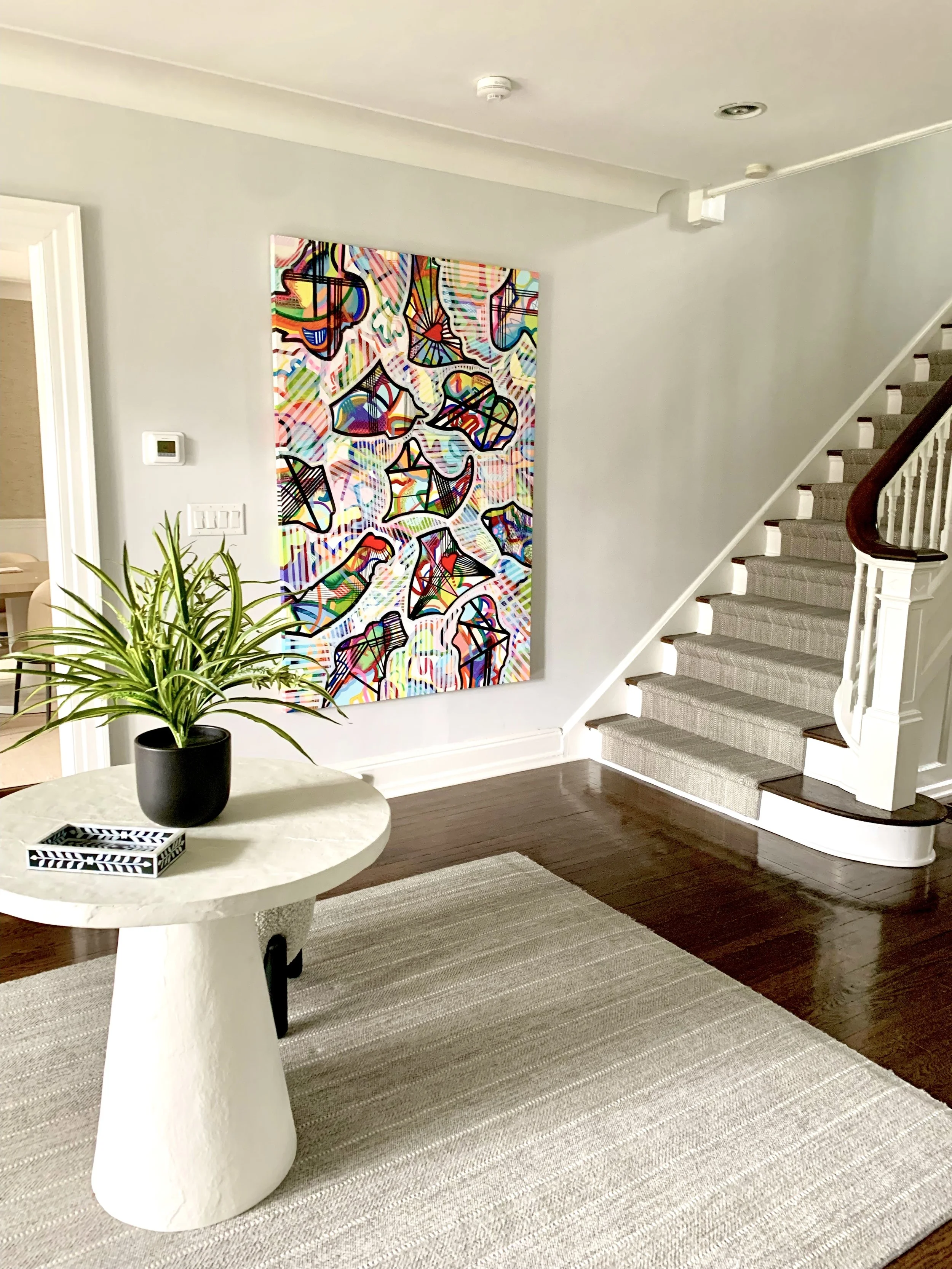
It is tempting to assume that a complicated painting must offer more to look at. Sometimes it does. But a busy surface can also become a collection of competing events, each asking for attention without developing a relationship with the others. Once you have registered that there is a great deal happening, you may feel no particular reason to continue.
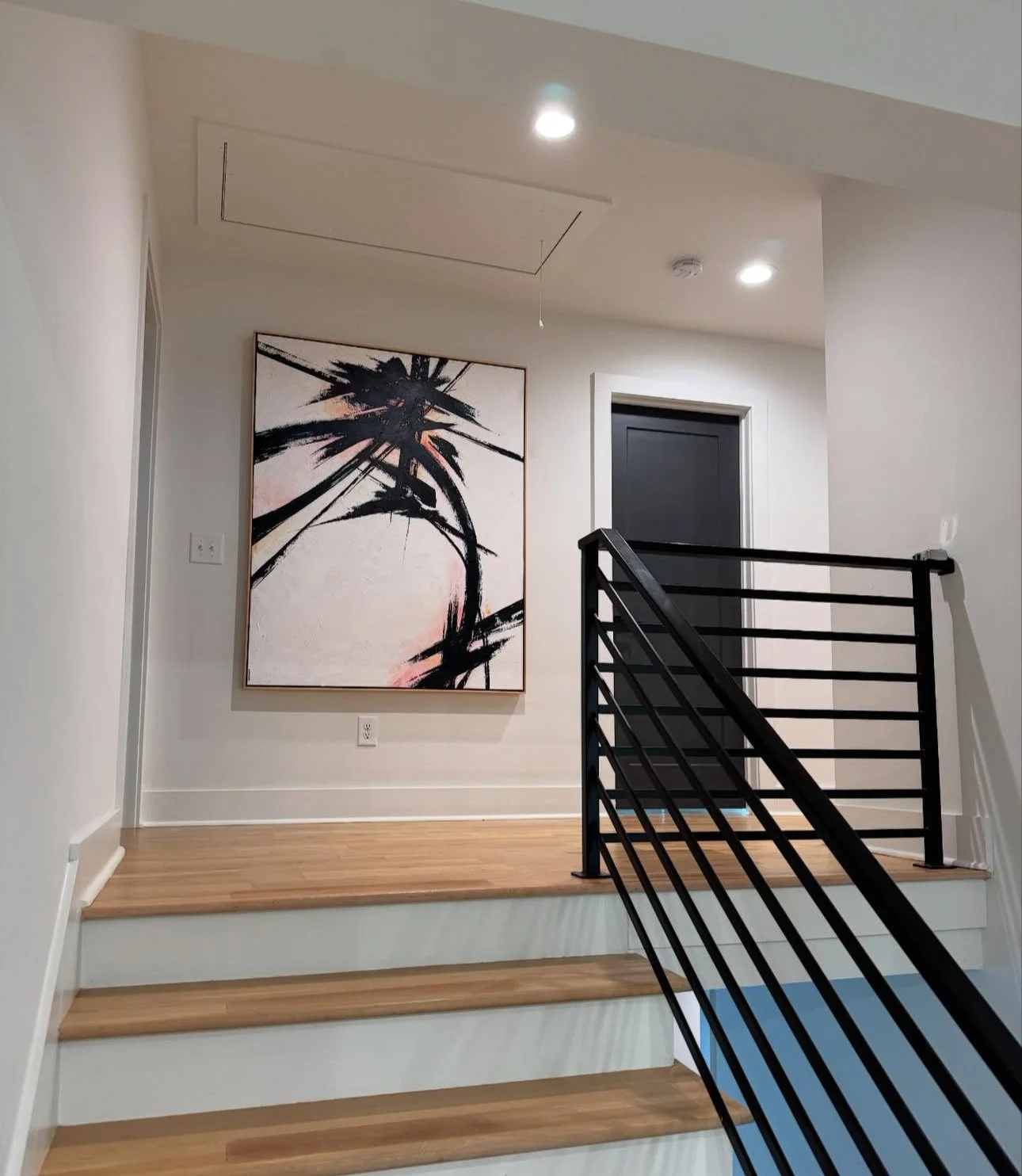
A simpler painting can work in the opposite way. With fewer elements, a change of proportion, an uneven edge or a patch of exposed ground can become surprisingly important. You begin to notice how much depends on a very small decision. A useful question is not “How much is in this painting?” but “What changes as I keep looking?”
The same distinction applies to technique. Visible brushwork, layers and texture can reward a closer view, but technical accomplishment alone does not determine your response. You can admire the work involved and still feel emotionally untouched. You can also be deeply engaged by a painting whose making appears almost effortless.
A Little Uncertainty Can Give You a Reason to Return
Some paintings offer a clear image and a clear message. Others leave you somewhere less settled: between a landscape and an abstraction, between a gesture that feels spontaneous and a composition that feels carefully controlled. That uncertainty can be part of the attraction. You recognize enough to become involved, while something remains open to interpretation.
There is no need to turn this into a rule that difficult art is better art. Confusion is not automatically depth, and you do not owe a painting your affection because someone tells you it is challenging. The more useful distinction is between feeling curious and feeling excluded. Curiosity makes you want to spend another moment with the work; feeling excluded can leave you looking for permission to move on.
If a painting keeps returning to mind after a gallery visit, try describing what remains with you. It might be a color relationship, a peculiar atmosphere or a shape you cannot quite resolve. You do not need to solve it. Being able to name the question can be enough to understand why the work continues to matter to you.
Give the Painting a Second Encounter
Before deciding that a work has lasting interest, change the conditions of your looking. Step back to see the composition, then come closer to examine the surface. Look away and return. If possible, revisit it on another day. You are giving yourself a chance to distinguish the excitement of something new from an interest that survives a little familiarity.
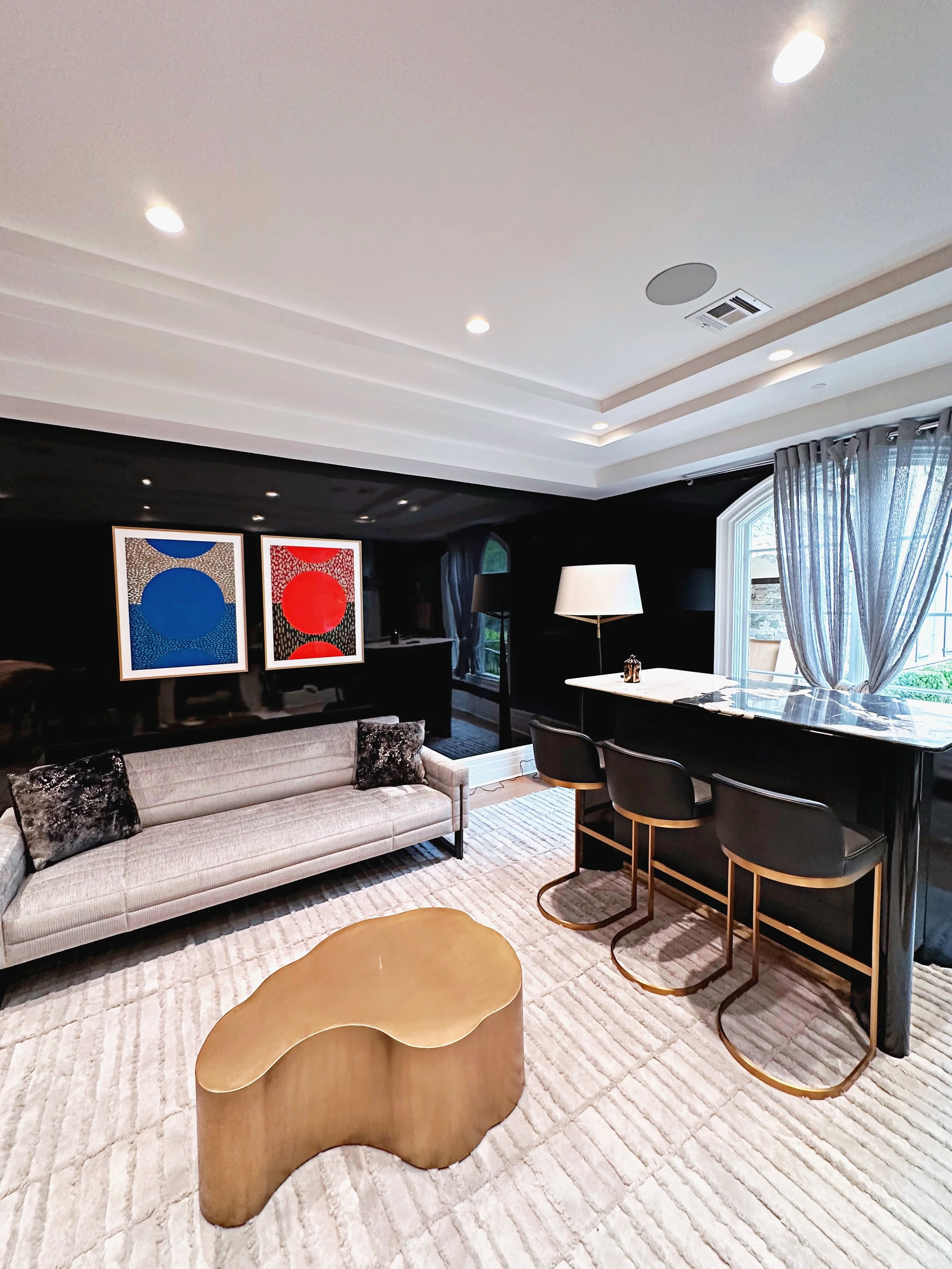
Context matters here, too. A painting seen on a phone is a very different encounter from one seen at its actual size, and a gallery wall does not provide the same surroundings as your home. Our article on why art looks different at home than in a gallery explores that change. It is also worth considering how scale affects a painting’s presence, because a detail that rewards a close view may disappear from the place where you usually sit.
You do not have to stare at an artwork for an appointed number of minutes or produce an intelligent interpretation before you are allowed to like it. Simply notice whether your second encounter adds something to the first. Does the work become more interesting, more familiar in a pleasing way, or less compelling once the surprise has passed?
What Holds You May Be Personal
A painting can keep your attention because its composition is compelling, but it can also connect with a memory, a mood or a place that matters to you. Another person may walk straight past it. That difference does not invalidate either response. Living with original art is a personal experience, and your reasons for returning to a work do not have to be shared by everyone who visits your home.
Nor does lasting interest always mean constant intensity. Some paintings are generous company precisely because they do not demand your attention every time you enter the room. They remain available, offering a different detail or atmosphere when you choose to look. A quieter relationship can be just as rewarding as an immediate, dramatic one.
A Note From the Gallery
When choosing a painting, give yourself permission to move beyond “Does it match?” and “Will people like it?” Ask what makes you return to this particular work. An answer as simple as “I keep noticing something different in it” can tell you more about living with a painting than a long explanation of why you ought to admire it.
Explore our collection of original artwork with that question in mind, or visit J. Nunez Gallery and spend time with the works that keep drawing you back. The painting that earns a second look may be the one you want to keep looking at for years.