
Why Do We Still Need to Make Art?
We live in a world surrounded by images. We take photographs constantly. We share them, save them, scroll past them and forget most of them within seconds. And yet people continue to paint, sculpt, draw, photograph and create things that have never existed before. Some spend months working on a single piece. Others return to the same subject for years, exploring it in different ways.
Why? What makes someone want to create something when the world already contains so many images? There is no single answer. Some artists want to tell stories. Others are interested in memory, identity, materials or the possibilities of a particular medium. And sometimes the reason to make art is simply the need to explore an idea without knowing exactly where it will lead. That is one of the things I find most interesting about original art.
It begins with a person making decisions that nobody else would make in quite the same way.
Creating Something That Did Not Exist Before
One of the most extraordinary things about art is that an artist can begin with an empty surface and create an entirely new visual world. That world does not have to resemble reality. It can combine familiar objects with imagined spaces, memories with invented scenes, or recognizable figures with abstract forms. In Dancing into the Sky, Marie-Josée Bergeron brings together layered imagery, architectural elements, figures and marks that create a complex visual environment.
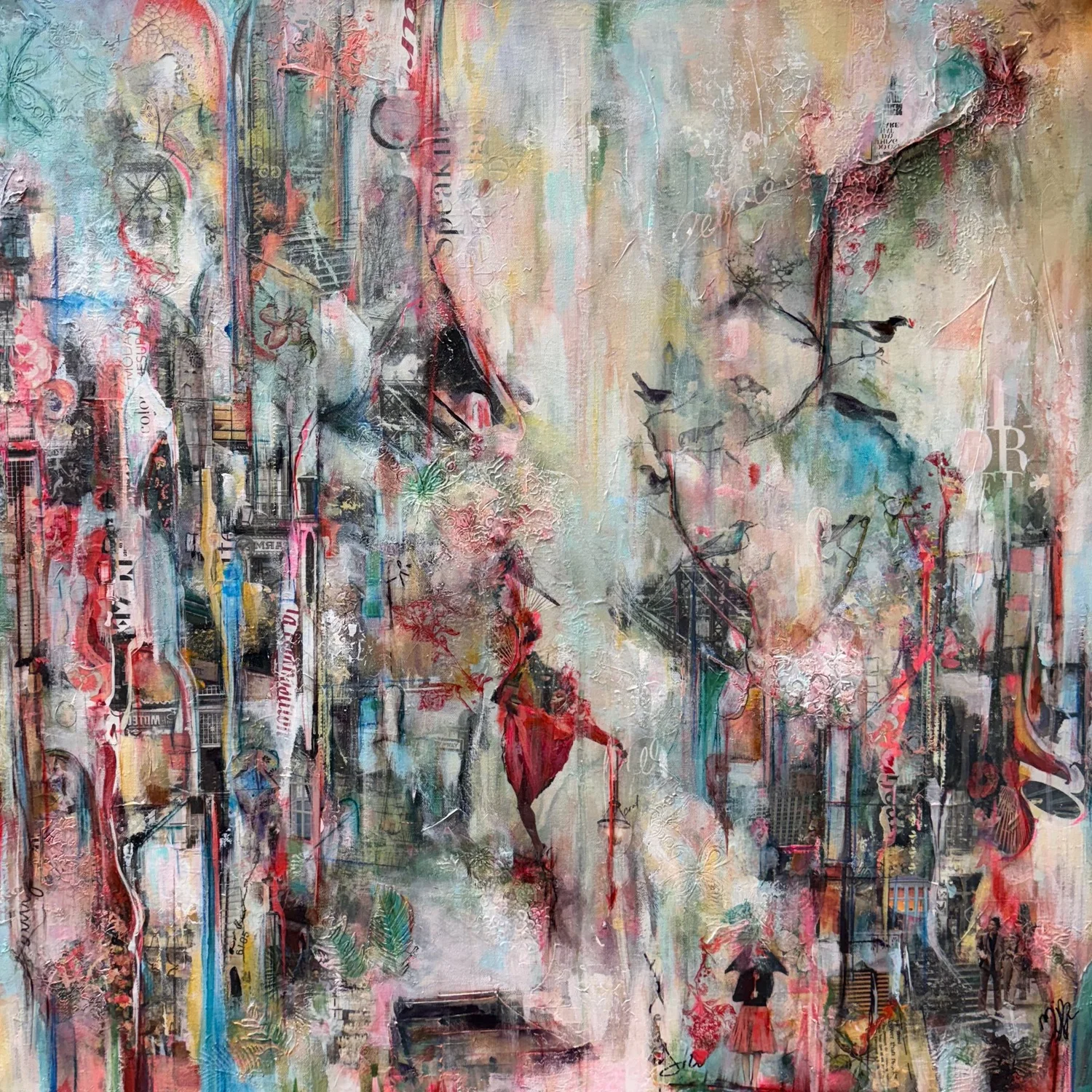
There is a great deal to discover in the composition. Your attention moves between different elements, and the relationships between them become part of the experience. What interests me here is the freedom that art gives someone to create a world that does not need to follow the rules of the one we live in. A painting can make connections that would be impossible in an ordinary photograph.
And that possibility is one reason art continues to exist.
Art Allows Us to Reimagine What We Already Know
Artists do not always need to invent unfamiliar subjects. Sometimes they take something we recognize immediately and present it in a way we have never considered. A face, an animal, a building or an everyday object can become the starting point for an entirely different visual experience. Consider Tiger King by Kazaan Viveiros. The image brings together the recognizable face of a tiger, a crown and a bold decorative arrangement.
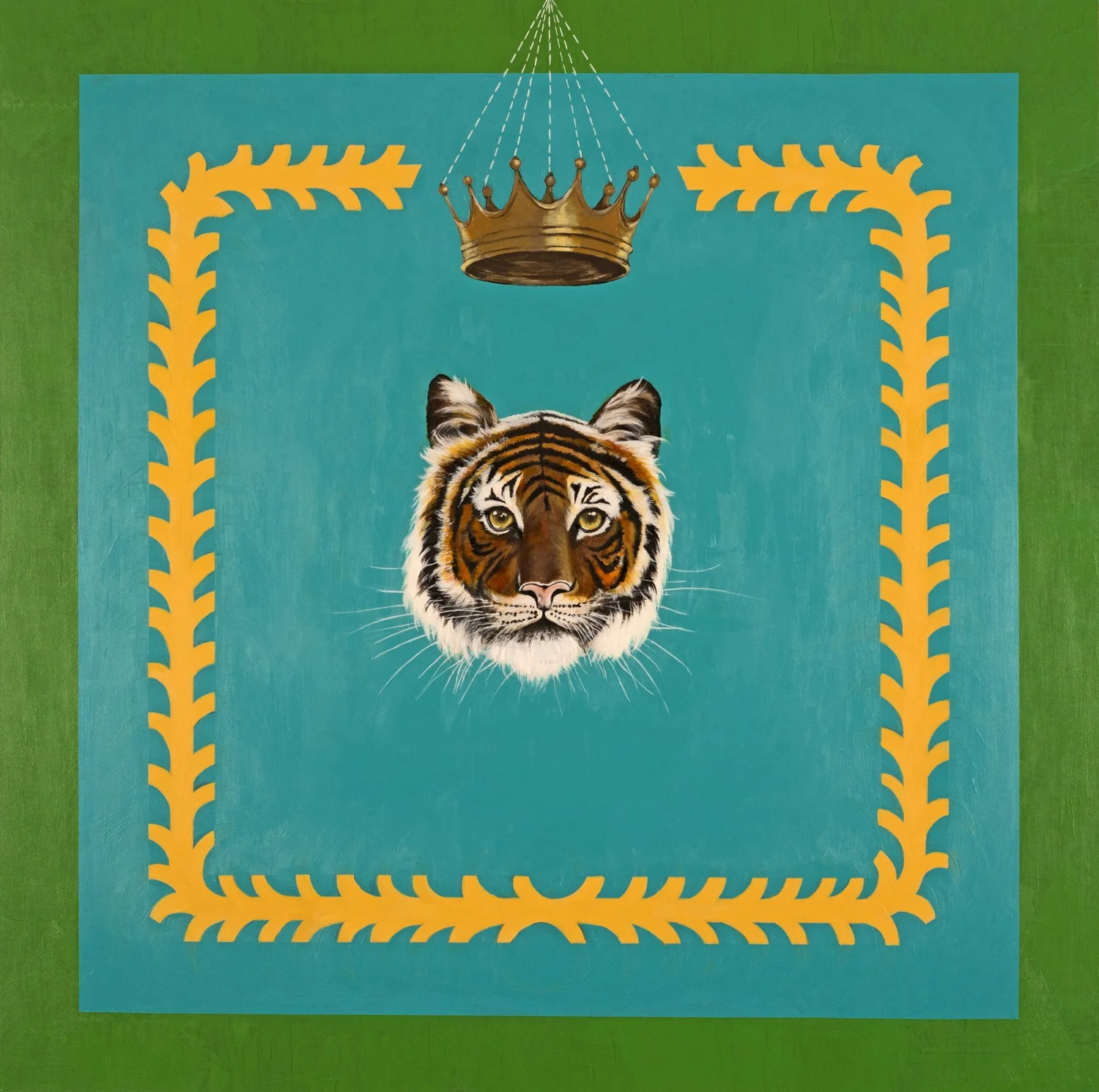
We recognize the animal, but the composition is not simply an illustration of wildlife. The crown introduces associations with authority and status. The colors and surrounding shapes give the image a distinctive visual character. These are observations about the image, not a claim that we know exactly what the artist intended. That distinction matters. Artists can offer us familiar subjects while leaving room for our own interpretations.
The subject may be recognizable, but the experience can still be unexpected.
Sometimes Art Expresses What Words Cannot
Not every idea begins with a clear sentence. Some experiences are difficult to explain through language. A memory may be fragmented. An emotion may contain contradictions. A personal association may be meaningful to one person and almost impossible to communicate to another. Art allows those experiences to take visual form without requiring everything to be explained. In Alise Loebelsohn's Orange Eyed Buddha, figures, faces, patterns and areas of color share a densely worked composition.
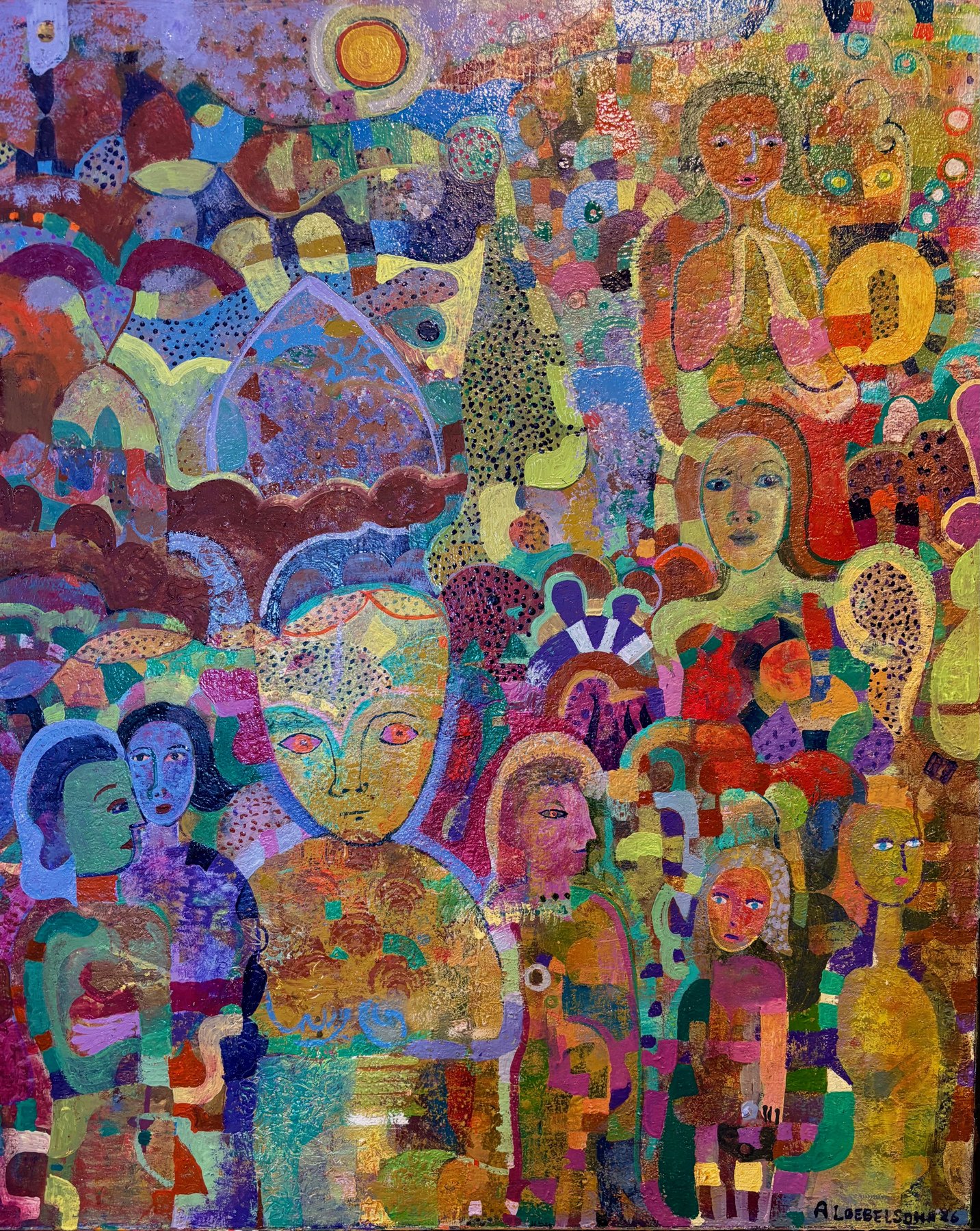
There are recognizable elements, but the painting does not have to tell a single straightforward story. Different viewers may notice different relationships between the figures. Some may respond first to the faces. Others may be drawn to the color or the complexity of the surface. That openness is important. An artwork does not always need to deliver a message that can be translated into a few words.
Sometimes its value lies in allowing us to experience something that language cannot fully capture.
Memory Can Become a New Image
Art can also transform the things we remember. A place we visited, an object from childhood or a detail associated with another time can become the starting point for something new. Consider Ella Freire’s Pan Am London Luggage Tag. The artwork uses the visual language of a historical airline luggage label.
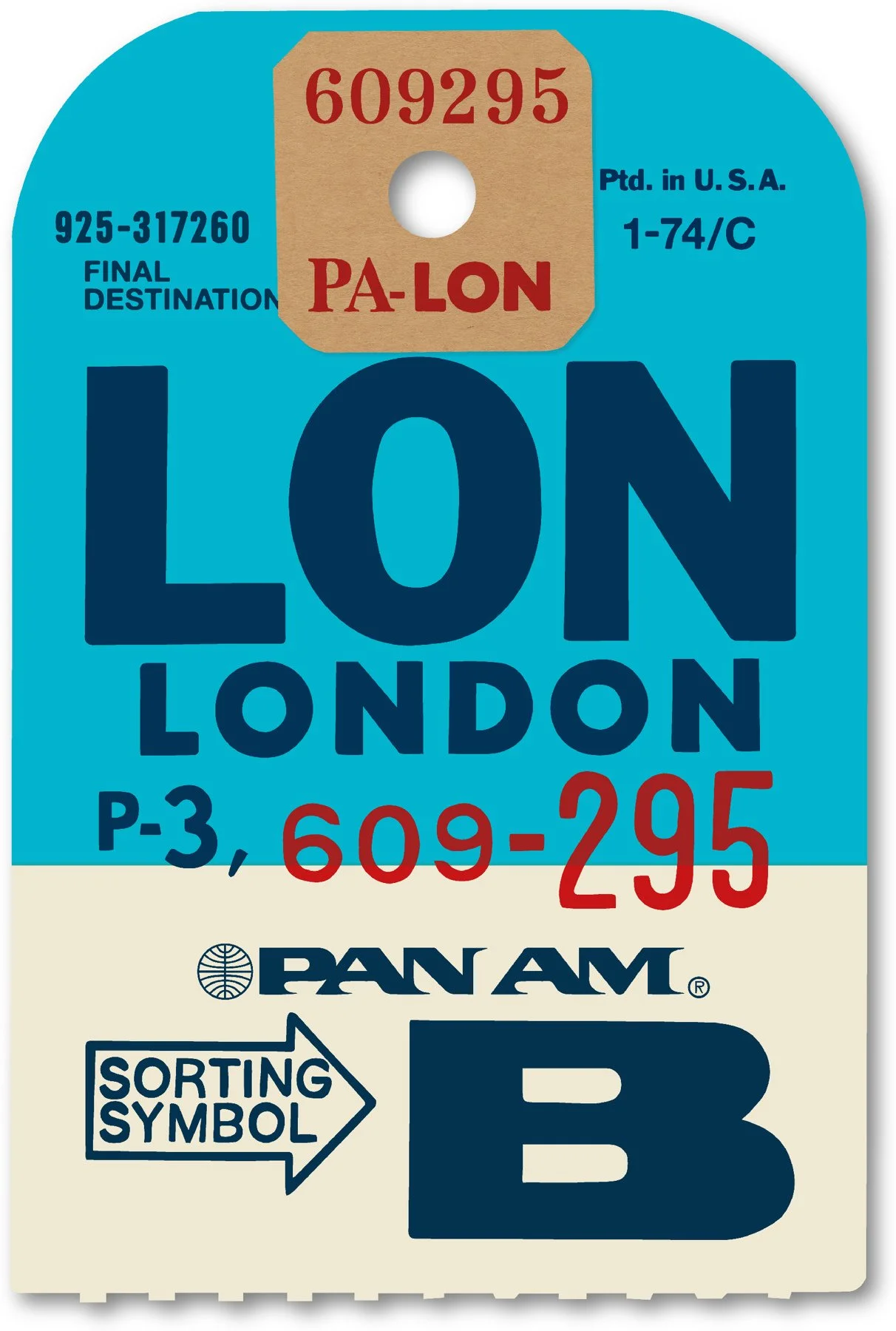
It is immediately recognizable as something connected to travel. But displayed as an artwork, the image invites us to look at the graphic design, typography, color and associations of the original object. For someone who remembers that era of travel, it may evoke personal memories. For someone younger, it may suggest a time they never experienced. The same image can create very different associations depending on who is looking at it.
This is one of the interesting ways art connects personal memory with shared visual culture.
Why Not Just Take a Photograph?
Photography is itself an art form, and photographers make creative decisions just as painters and sculptors do. The difference is not between a camera and a paintbrush. It is between simply recording something and using a medium to create a particular experience. A photograph can transform an ordinary moment through framing, timing, light and composition. A painting can reorganize familiar elements into an imagined world.
A sculpture can give physical form to an idea. Each medium offers different possibilities. What matters is the artist's choices. Why this subject? Why these colors? Why this composition? Why make the work this way rather than another? Those decisions are part of what makes an artwork individual.
Making Art Is Also About Experimentation
We often encounter art only after it has been completed. We see the finished painting, the polished sculpture or the photograph selected for exhibition. What we do not always see is the process that led there. The experiments. The changes. The decisions to remove something, add something or begin again. Sometimes an artist starts with a very clear idea. Sometimes the work develops through the process of making it.
An unexpected combination may lead to a new direction. A material may behave differently than anticipated. An image may become more interesting when the artist abandons the original plan. This is another reason original art remains compelling. It is not simply the execution of a predetermined image. It can be a process of discovery.
Does Art Need to Have a Message?
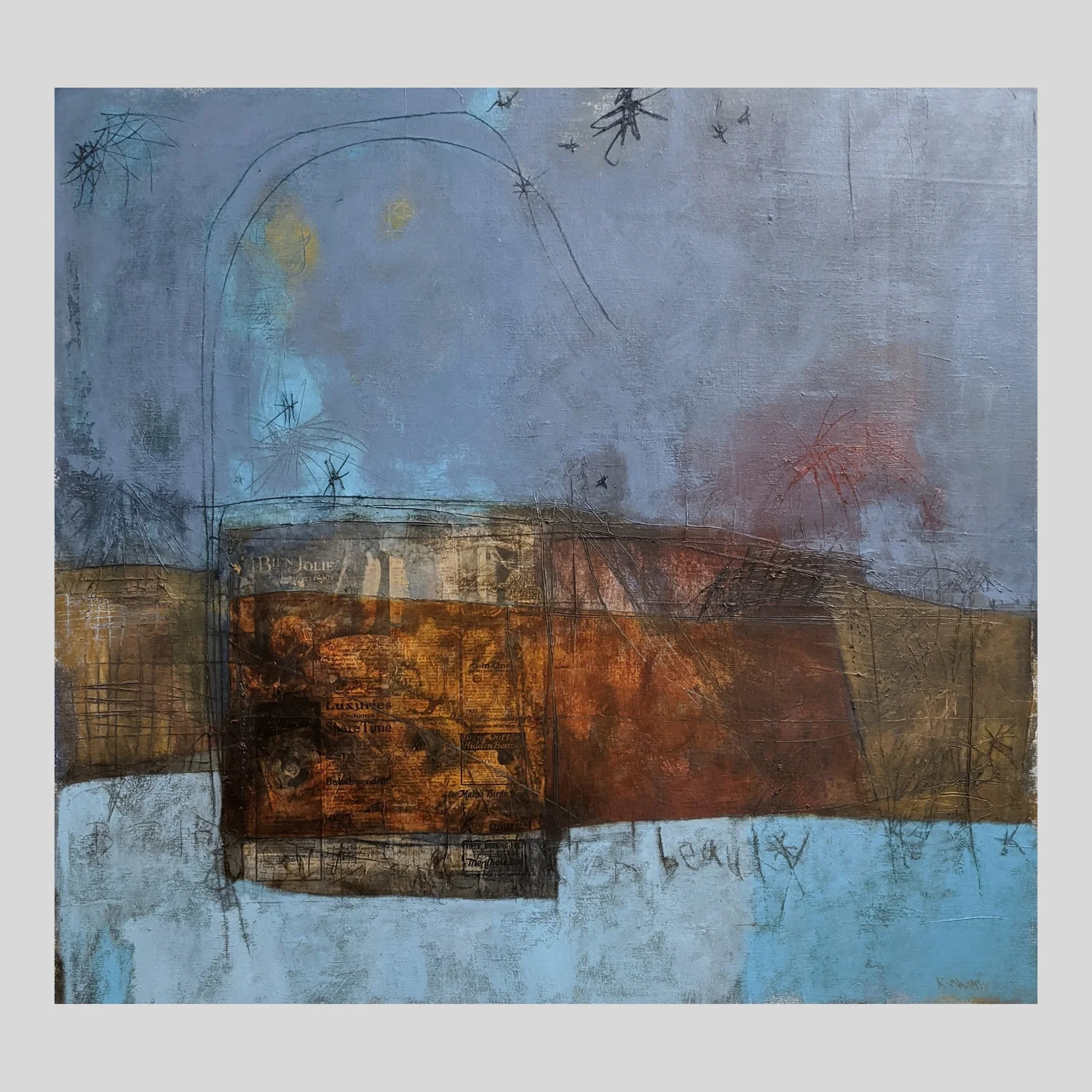
I do not think every artwork needs to explain something important about society, politics or human existence. Some works certainly do. Others are more concerned with form, color, movement, materials or visual pleasure. An artist may create something because a particular combination of shapes is interesting. Because a material offers possibilities worth exploring. Or because they enjoy the process of making it. Those reasons are no less legitimate.
And as viewers, we do not need to invent a profound explanation for every artwork we enjoy. Sometimes a painting attracts us because of its energy. Sometimes because it makes us curious. Sometimes because we simply love looking at it. That can be enough.
Why Does Original Art Still Matter?
Today, almost anyone can generate, reproduce or distribute an image. That makes the distinction between an image and an original artwork worth thinking about. Original art is not valuable simply because an artist spent a certain number of hours making it. Nor does being handmade automatically make something good. What matters is the particular combination of ideas, decisions, skill, experimentation and individual expression that gives a work its identity.
A painting carries the physical evidence of how it was made. A sculpture occupies real space. A photograph can reflect a photographer's individual way of observing the world. These qualities do not guarantee that everyone will love the result. But they give us something worth considering beyond the immediate appearance of an image. When you choose an original artwork, you are choosing the result of another person's creative decisions.
And you are deciding to make that work part of your own surroundings.
A Note From the Gallery
As an artist and gallery owner, I experience art from both sides. I understand something of what it means to begin with an idea and try to turn it into something real. And I also see what happens when someone encounters an artwork that speaks to them. Those two experiences are connected, but they are not the same. An artist creates something for reasons that may be deeply personal.
The person who eventually lives with that work may find an entirely different meaning in it. I find that fascinating. At J. Nunez Gallery, we represent artists with very different approaches, subjects and ways of working. That variety is important to me because there is no single reason to make art, just as there is no single reason to love it. The artist creates the work.
But the relationship with that work continues through the people who discover it and choose to live with it. And perhaps that is one of the reasons we still need art. Not because we need more images. But because we continue to need new ways of seeing, imagining and expressing what it means to be human.